

Finger sore from guitar? How to deal in the first weeks?
Finger sore from guitar? Learn why it happens and how to ease pain in the first weeks with smart practice tips recovery advice and ways to build calluses safely
magicchords.com
1/6/2026
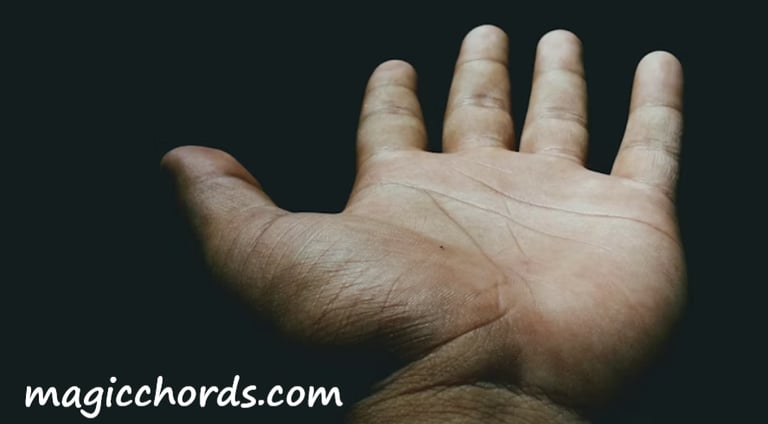

Finger sore from guitar is common for beginners, especially in the first weeks. With proper technique, rest, and practice habits, you can reduce pain and keep progressing comfortably.
Finger sore from guitar is one of the most common challenges beginners face during the first weeks of playing. If your fingertips feel tender, sensitive, or even painful after practice, you’re not alone—and the good news is that it’s a normal part of learning guitar. When you press steel or nylon strings repeatedly, your skin and nerves need time to adapt. This initial discomfort often worries new players, but understanding why it happens can help you push through safely and confidently.


In the early stages, your fingertips haven’t developed calluses yet. These protective layers of skin form gradually as you practice, making playing more comfortable over time. Until then, soreness is simply your body responding to a new physical demand. Factors like string gauge, action height, practice duration, and even finger pressure can influence how intense the soreness feels. Beginners often press harder than necessary, which increases pain and fatigue without improving sound quality.


In the early stages, your fingertips haven’t developed calluses yet. These protective layers of skin form gradually as you practice, making playing more comfortable over time. Until then, soreness is simply your body responding to a new physical demand. Factors like string gauge, action height, practice duration, and even finger pressure can influence how intense the soreness feels. Beginners often press harder than necessary, which increases pain and fatigue without improving sound quality.
Managing finger sore from guitar doesn’t mean stopping practice altogether. Instead, it’s about practicing smarter. Short, consistent sessions are far more effective than long, painful ones. Taking breaks, warming up properly, and paying attention to relaxed hand positioning can significantly reduce discomfort. Some players also benefit from lighter strings or a proper guitar setup to ease the transition.
Useful advices for beginner guitarists 1: Learning guitar takes patience, especially in the early stages when your hands are still adjusting to the strings. Many beginners struggle with discomfort as they practice daily and build finger strength. It’s common to feel finger sore from guitar, particularly when holding chord shapes for extended periods. In the middle of your practice routine, working on shapes like the D minor chord can be challenging but rewarding, as it helps improve finger placement and control. With consistent practice, proper technique, and regular breaks, soreness fades, confidence grows, and playing becomes far more enjoyable over time.


Finger sore from guitar is one of the most common challenges new players face, especially during the first few weeks of learning. If your fingertips ache, feel tender, or sting after practice, it’s completely normal. Understanding why this happens and how to manage it properly will help you stay motivated, avoid injury, and continue progressing comfortably. Below is a complete guide designed to help beginners deal with finger sore from guitar in a smart and healthy way.
Why Finger Sore From Guitar Happens to Beginners
Finger sore from guitar occurs because your fingertips are not yet adapted to pressing metal or nylon strings against the fretboard. Each note requires pressure, and repeated contact irritates the skin and nerves. In the beginning, your fingers lack calluses, which are protective layers of hardened skin that develop over time. Until these form, soreness is unavoidable.
Another factor is technique. Beginners often press the strings harder than necessary, believing more pressure equals better sound. This extra force increases fingertip pain without improving tone. Longer practice sessions without breaks can also worsen soreness, especially in the first weeks when your hands are still adjusting.
Mild finger sore from guitar is completely normal and expected. A dull ache or tender feeling that fades after rest is part of the learning process. However, sharp pain, burning sensations, numbness, or pain in joints and wrists are not normal and should not be ignored.
Understanding the difference is important. Healthy soreness improves as your fingers toughen up. Pain that worsens, spreads, or doesn’t go away after a day or two may signal poor technique, excessive tension, or overpractice. Listening to your body early on helps prevent long-term problems and keeps guitar playing enjoyable.
How Long Finger Sore From Guitar Usually Lasts
For most beginners, finger sore from guitar lasts anywhere from two to four weeks. This timeline depends on how often you practice, how long each session lasts, and how relaxed your technique is. Practicing consistently but moderately allows calluses to form gradually without excessive pain.
Skipping practice entirely slows this process, while pushing through long, painful sessions can cause unnecessary discomfort. The goal is balance. As calluses develop, soreness decreases noticeably, and playing becomes much more comfortable. Many players are surprised by how quickly their fingers adapt when they practice smartly.
Smart Practice Habits to Reduce Finger Sore From Guitar
One of the best ways to manage finger sore from guitar is to adjust how you practice. Short, focused sessions of 15 to 30 minutes are far more effective than long, exhausting ones. Taking breaks gives your fingertips time to recover while still building strength.
Warming up before playing also helps. Simple finger stretches, slow scales, or light chord strumming prepare your hands and reduce tension. During practice, aim for clean notes with the minimum pressure needed. If a note rings clearly, pressing harder won’t improve it and only increases soreness. Consistency matters more than intensity. Practicing a little every day helps your fingers adapt faster than irregular, intense sessions.
Good technique plays a huge role in managing finger sore from guitar. Proper thumb placement behind the neck supports your fingers, reducing the pressure needed to fret notes. Keeping your wrist relaxed and avoiding extreme angles also reduces strain. Pay attention to finger placement. Pressing closer to the fret wire—not directly on top of it—requires less force and produces a cleaner sound. Relaxing your grip between chord changes prevents unnecessary tension that leads to pain.
Many beginners benefit from lighter string gauges or a properly set-up guitar. High string action makes fretting harder and increases soreness. A professional setup can significantly improve comfort, especially in the early stages.
Rest and Recovery: Essential for Finger Sore From Guitar
Rest is just as important as practice when dealing with finger sore from guitar. Your skin and muscles need time to heal and adapt. Taking a day off when soreness is intense doesn’t mean losing progress—it actually helps you come back stronger. Simple recovery methods include washing hands in cool water after practice, gently massaging fingertips, and keeping hands moisturized without overdoing it. Avoid popping blisters or peeling skin, as this can delay callus formation and cause infection. Sleeping well and staying hydrated also support faster recovery. Healthy habits off the guitar contribute directly to how quickly your fingers adapt on the guitar.
Common Myths About Finger Sore From Guitar
One common myth is that you must push through pain to improve. While mild discomfort is normal, forcing yourself through severe finger sore from guitar can lead to injury and frustration. Progress comes from consistent, mindful practice—not suffering. Another myth is that calluses must be thick and rough to be effective. In reality, healthy calluses are smooth and slightly firm. Overplaying to “build calluses faster” often backfires, causing cracked skin and longer recovery times.
Some beginners think pain means they’re doing something wrong. In truth, finger sore from guitar is a natural part of learning. The key is managing it wisely rather than avoiding it altogether. Finger sore from guitar can be discouraging, especially when enthusiasm is high but your fingers protest. Staying motivated means setting realistic expectations and celebrating small wins. Every practice session contributes to building strength, coordination, and comfort.
Mix technical exercises with songs you enjoy to keep practice fun. Playing familiar music makes soreness feel more worthwhile and reminds you why you started. Tracking your progress—like noticing improved tone or easier chord changes—helps reinforce positive momentum. Remember that every experienced guitarist went through this stage. Soreness is temporary, but the skills you build last a lifetime.
When Finger Sore From Guitar Starts to Fade
As weeks pass, you’ll notice finger sore from guitar decreasing significantly. Calluses form, pressure feels lighter, and playing becomes smoother. Chords that once felt painful become manageable, and longer practice sessions feel possible without discomfort.
This phase marks an important milestone in your guitar journey. It’s a sign that your hands are adapting and your technique is improving. Staying patient through the early discomfort pays off with greater confidence and enjoyment later on.
Finger sore from guitar is a normal and temporary part of learning to play. With proper technique, smart practice habits, adequate rest, and patience, you can reduce pain and continue progressing comfortably. Instead of seeing soreness as a setback, view it as a sign that your fingers are adapting to a new skill.
By respecting your body and practicing mindfully, you’ll move past the painful stage faster than you might expect. Soon, you’ll be focused less on sore fingertips and more on making music—exactly where every guitarist wants to be.


Useful advices for beginner guitar players 2: Practicing guitar becomes more engaging when you mix technical exercises with songs you genuinely enjoy. Working on timing, clean chord transitions, and relaxed hand movement builds confidence and musical flow. In the middle of your practice session, learning the Red Hot Chili Peppers - Otherside guitar tab is a great way to apply these skills in a real musical context. This song encourages steady rhythm and smooth changes, helping reinforce good habits while keeping practice fun, motivating, and effective for long-term progress.