
D minor Chord: Learn It Fast with These Simple Techniques
Learn the D minor chord fast with simple techniques that improve finger placement, smooth transitions and confident strumming for beginner guitar players today!
magicchords.com
1/4/2026


Learning the D minor chord doesn’t have to be difficult. With simple techniques and clear guidance, beginners can master this expressive chord quickly and confidently.
Learning the D minor chord is an important step for guitarists who want to add emotion and depth to their playing. Known for its darker, more expressive sound, this chord appears in countless songs across genres such as rock, pop, folk, and classical music. While beginners sometimes find the D minor chord slightly challenging at first, the good news is that with the right techniques, it can be learned quickly and played cleanly.


The D minor chord is closely related to the D major shape, making it a natural next step once you’re comfortable with basic open chords. The key difference lies in finger placement and hand positioning, which require a bit more precision to avoid muted strings. Understanding how to curve your fingers correctly, apply the right amount of pressure, and position your thumb behind the neck can dramatically improve your results in a short amount of time.
One of the reasons the D minor chord is so valuable is its versatility. It’s often used to create contrast within chord progressions, adding tension or a reflective mood that enhances musical storytelling. Learning this chord also strengthens your fretting-hand control, helping you prepare for more advanced shapes later on, including barre chords and minor variations across the fretboard.


Post Content: The D Minor Chord
1. What Makes the D Minor Chord So Essential
2. How the D Minor Chord Influences Your Music
3. Easy Finger Placement for a Clear D Minor Chord
4. Quick Guide to Mastering the D Minor Chord
5. Common D Minor Chord Mistakes and How to Fix Them
6. Key Reasons Beginners Should Learn the D Minor Chord
7. Pro Tips for Faster D Minor Chord Mastery
8. How to Strum the D Minor Chord Smoothly and with Control
9. Achieving Smooth Transitions To and From the D Minor Chord
In this guide, you’ll discover simple, beginner-friendly techniques that break the D minor chord down into manageable steps. You’ll learn how to place your fingers efficiently, how to strum the chord cleanly, and how to transition smoothly to and from other common chords. Whether you’re just starting out or refining your foundation, mastering the D minor chord will expand your musical range and boost your confidence. With consistent practice and the right approach, this expressive chord will soon feel natural and rewarding to play.
Useful advices for beginner guitar players 1: Building strong fundamentals early makes a noticeable difference in your guitar progress. Many beginners focus only on speed, but accuracy and comfort matter just as much. This is why paying attention to guitar hand placement tips can help reduce tension, improve tone, and make chord shapes feel more natural. When practicing shapes like the D minor chord, correct finger angles and thumb position allow notes to ring clearly without strain. Over time, these small adjustments lead to smoother transitions, better control, and longer practice sessions without fatigue, helping you grow steadily and confidently as a guitarist.
What Makes the D Minor Chord So Essential
The D minor chord is essential for guitarists because it introduces emotional depth and expressive contrast into music. Often described as somber, reflective, or dramatic, the D minor chord allows players to convey feelings that major chords alone cannot fully express. Its distinctive tone has made it a staple in many musical styles, including rock, pop, folk, classical, and even film soundtracks. One reason the D minor chord is so important is its role in musical storytelling. Songs often rely on the shift between major and minor chords to create tension and release, and D minor is frequently used to change the mood of a progression. When placed alongside brighter chords, it adds weight and emotional complexity, making the music more engaging for listeners.
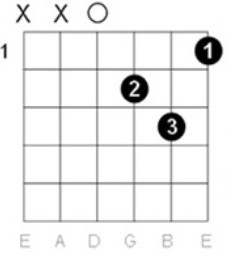
From a technical standpoint, learning the D minor chord helps develop better finger control and hand coordination. Its shape requires accurate finger placement and proper hand posture to ensure all notes ring clearly. These skills translate directly into improved technique, making future chords—especially barre chords and movable minor shapes—easier to learn. The D minor chord appears in countless beginner and intermediate-level guitar songs, making it highly practical. Mastering it early expands your playable repertoire and boosts confidence. More than just another chord shape, the D minor chord is a gateway to expressive playing, stronger technique, and a deeper understanding of how emotion functions in music.
How the D Minor Chord Influences Your Music
The D minor chord has a powerful influence on how music feels and communicates emotion. Unlike brighter major chords, D minor carries a darker, more introspective tone that immediately shifts the mood of a song. This emotional quality makes it a valuable tool for guitarists who want to express depth, tension, or reflection in their playing. One of the most significant ways the D minor chord influences music is through contrast. When placed next to major chords, it creates a clear emotional shift that captures the listener’s attention. This contrast helps shape musical narratives, guiding the emotional flow of a song. Many songwriters rely on D minor to highlight lyrical moments that require seriousness, vulnerability, or drama.
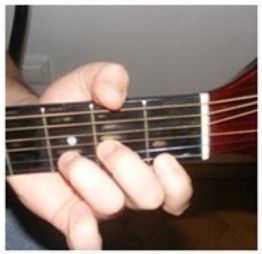
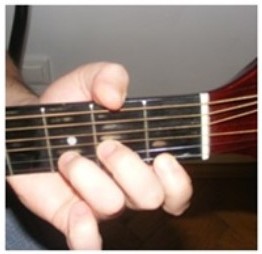
The D minor chord also affects phrasing and arrangement. Because of its expressive nature, it often encourages players to slow down, play more deliberately, and focus on dynamics. Strumming patterns may become softer or more controlled, allowing the chord’s character to come through. This can add nuance and sophistication to even simple progressions.
From a technical perspective, working with the D minor chord improves musical sensitivity. It trains your ear to recognize emotional changes and helps you understand how harmony influences mood. Over time, this awareness leads to more intentional chord choices and stronger musical expression. By incorporating the D minor chord into your playing, you gain a deeper ability to shape emotion, tell stories through sound, and connect more meaningfully with listeners.
Easy Finger Placement for a Clear D Minor Chord
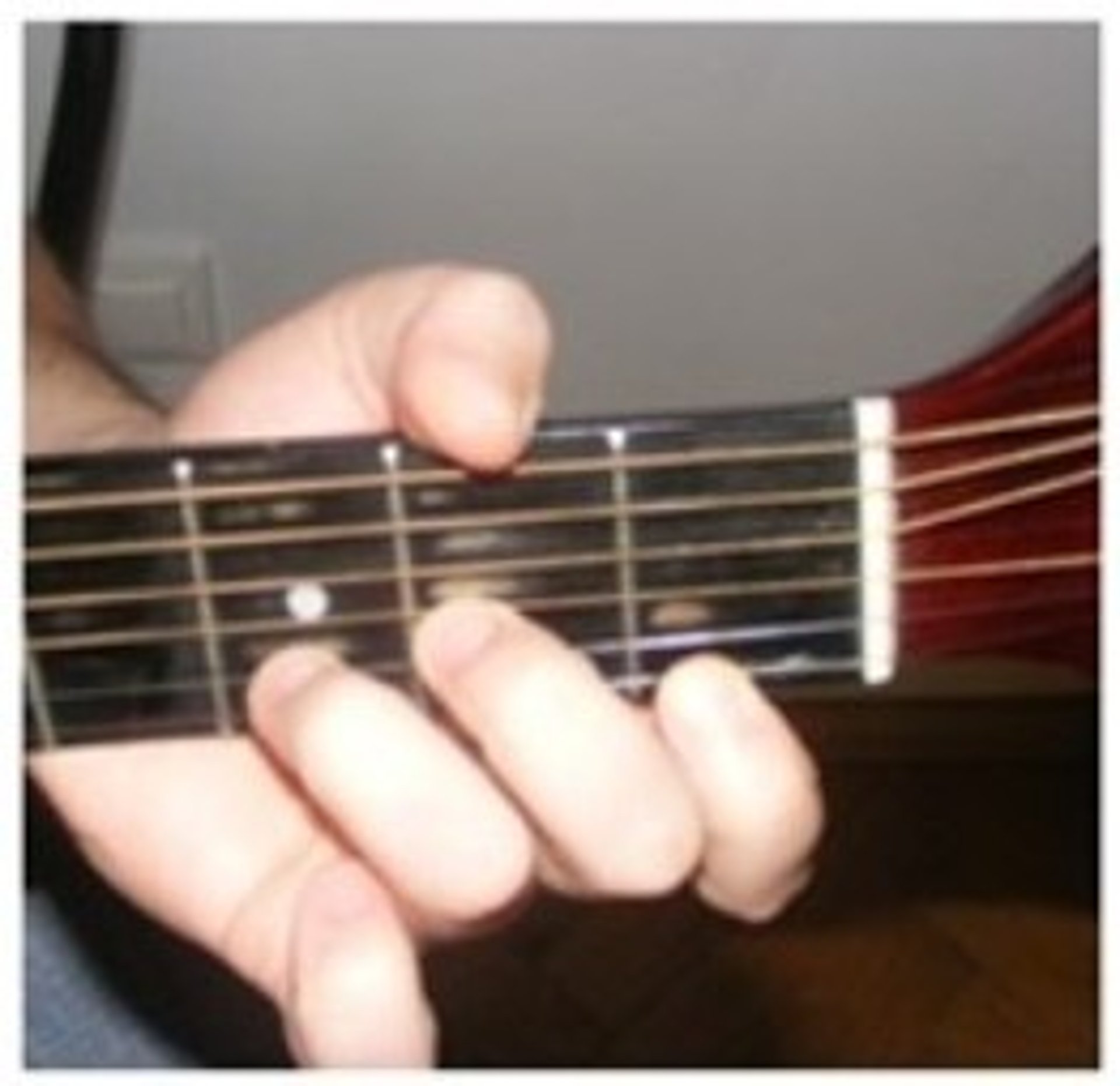
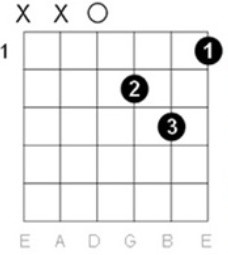
Getting a clear, clean D minor chord starts with proper finger placement and relaxed hand posture. Although the shape is beginner-friendly, small positioning mistakes can cause muted strings or buzzing notes. With a few simple adjustments, you can make this expressive chord ring out smoothly and confidently. Begin by placing your index finger on the first fret of the high E string. This finger is crucial, so keep it curved and press close to the fret without touching nearby strings. Next, place your middle finger on the second fret of the G string, followed by your ring finger on the third fret of the B string. These three fingers form a compact triangle shape that should feel balanced and comfortable.
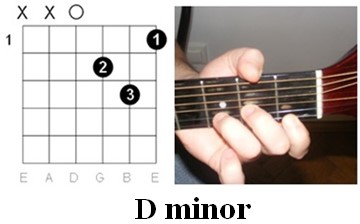
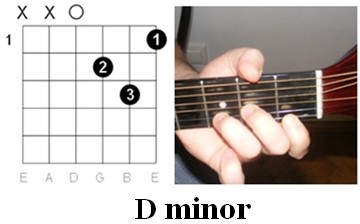
Thumb placement plays an important role in clarity. Keep your thumb resting behind the neck rather than wrapped over it. This allows your fingers to arch properly and apply pressure evenly. Your wrist should remain slightly angled but relaxed, avoiding excessive bending that can create tension.
When strumming the D minor chord, focus on the bottom four strings—D, G, B, and high E—and avoid hitting the low E and A strings. Pick each string individually at first to check for clarity. If any note sounds muted, adjust finger angle or pressure slightly. With mindful practice and correct finger placement, the D minor chord will sound clean, controlled, and expressive.
Quick Guide to Mastering the D Minor Chord
Mastering the D minor chord is an important step for guitarists who want to add emotional depth and versatility to their playing. While it may feel slightly more challenging than some major chords, a clear and focused approach can help you learn it quickly and confidently. Understanding both the shape and the technique behind it is the key to clean, consistent sound.
Start by setting up your fretting hand correctly. Place your index finger on the first fret of the high E string, your middle finger on the second fret of the G string, and your ring finger on the third fret of the B string. Keep your fingers curved and close to the frets to avoid buzzing or muted notes. Your thumb should sit behind the neck, providing balance and allowing your fingers to move freely.

Next, focus on clarity. Pick each string individually to make sure all notes ring out clearly. If a string sounds dull, make small adjustments to finger pressure or angle rather than pressing harder. Light, controlled pressure produces a cleaner tone and reduces fatigue. Strumming technique also plays a major role. Strum only the bottom four strings and use relaxed wrist motion. Slow, steady strums help you develop control before increasing speed. Practicing with a metronome reinforces timing and consistency.
Finally, work on transitions. Practice moving between the D minor chord and nearby shapes such as A minor chord and C major chord. These changes appear frequently in songs and help build muscle memory. With regular practice and attention to detail, the D minor chord will become a natural, expressive part of your guitar playing.
Common D Minor Chord Mistakes and How to Fix Them
Learning the D minor chord can be rewarding, but beginners often encounter common mistakes that affect clarity and confidence. Recognizing these issues early makes it much easier to correct them and build solid technique that carries over to other chords. One frequent problem is muted or buzzing strings. This usually happens when fingers are too flat or positioned too far from the fret. To fix this, keep your fingers curved and press close to the fret using your fingertips. Picking each string individually helps identify which note needs adjustment.

Another common mistake is accidentally strumming the wrong strings. The D minor chord should only include the bottom four strings. Hitting the low E or A string can muddy the sound. Practice controlled strums and focus your pick or fingers on the correct string group until it becomes automatic. Many beginners also struggle with hand tension. Squeezing the neck too tightly can cause fatigue and slow progress. Instead, relax your grip and use only enough pressure to make the notes ring cleanly. Keeping your thumb behind the neck improves balance and reduces strain.
Incorrect thumb placement is another issue. Wrapping the thumb over the neck limits finger reach and clarity. Positioning it behind the neck allows better finger arching and cleaner sound. By addressing these mistakes with patience and mindful practice, you’ll develop a clean, confident D minor chord and improve your overall guitar technique.
Key Reasons Beginners Should Learn the D Minor Chord
The D minor chord is an essential shape for beginners because it introduces emotional depth and musical variety early in the learning process. While major chords often sound bright and cheerful, the D minor chord adds a darker, more expressive tone that helps guitarists understand how mood and feeling work in music. This contrast is important for developing musical awareness and creativity.
One key reason beginners should learn the D minor chord is its frequent appearance in popular songs across genres such as rock, pop, folk, and acoustic music. Mastering it expands your playable repertoire and allows you to tackle more complete chord progressions with confidence.

Technically, the D minor chord helps improve finger control and hand coordination. Its shape requires precise finger placement and encourages proper thumb and wrist positioning. These skills strengthen your overall technique and make learning future chords, including barre chords and other minor shapes, much easier.
The D minor chord also pairs well with common beginner chords like A minor, C, and F major chord, making it ideal for practicing smooth transitions. As beginners gain confidence playing this chord cleanly, they often feel more motivated to continue learning. Overall, learning the D minor chord builds strong fundamentals, enhances musical expression, and supports long-term growth on the guitar.
Pro Tips for Faster D Minor Chord Mastery
Mastering the D minor chord faster is all about using smart, focused techniques rather than brute force. With the right approach, beginners can overcome common challenges and build confidence in a short amount of time. One effective tip is to practice finger placement in stages. Instead of placing all fingers at once, set them down in the same order every time. This creates a reliable muscle-memory pattern and makes transitions smoother. Keep your fingers curved and close to the frets to ensure clean notes with minimal effort. Another key strategy is to focus on relaxed pressure. Many players press too hard, which causes tension and slows progress. Use only enough pressure to make the strings ring clearly. Practicing this light touch improves control and reduces hand fatigue.

Isolating transitions is also powerful. Practice moving between the D minor chord and common partner chords like A minor and C. Repeating these changes slowly helps your hand learn efficient movement without unnecessary lifting. Strumming control matters as well. Focus on strumming only the bottom four strings and use small, controlled wrist motions. Practicing with a metronome reinforces timing and consistency. Finally, short, frequent practice sessions work better than long, tiring ones. With consistent repetition and mindful technique, the D minor chord will feel natural and confident much faster.
How to Strum the D Minor Chord Smoothly and with Control
Strumming the D minor chord smoothly and with control is essential for capturing its expressive, emotional tone. Because this chord uses only the higher strings, precision and restraint are more important than power. With the right approach, even beginners can produce a clean, balanced sound. Start by positioning your strumming hand comfortably above the soundhole or pickups. Keep your wrist loose and relaxed, allowing it to move freely without stiffness. A relaxed wrist helps create fluid strums and prevents uneven rhythm. If you’re using a pick, hold it lightly between your thumb and index finger to avoid harsh or choppy strokes.

Focus on strumming only the bottom four strings—D, G, B, and high E. Accidentally hitting the low E or A strings can muddy the sound and weaken the chord’s character. Begin with slow, controlled downstrokes to develop accuracy. Once you feel comfortable, introduce gentle upstrokes to create a smoother, flowing rhythm. Dynamics also play an important role. The D minor chord often sounds best when strummed softly, allowing its subtle mood to come through. Experiment with lighter touch and varying strumming intensity to shape the emotion of the chord.
Practicing with a metronome helps maintain consistent timing and builds confidence. With regular, mindful practice, strumming the D minor chord will feel smooth, controlled, and expressive.
Achieving Smooth Transitions To and From the D Minor Chord
Achieving smooth transitions to and from the D minor chord is an important skill that helps your playing sound fluid and confident. Since this chord often appears alongside common beginner shapes, learning to move efficiently between them can greatly improve your rhythm and timing. One effective approach is to keep your fingers close to the fretboard when switching chords. Lifting them too high creates unnecessary movement and slows transitions. Focus on relaxed, economical motion so your hand stays balanced and ready for the next shape.
Practicing common chord pairings such as D minor to A minor, C, or G is especially helpful. Start slowly, making sure each chord rings clearly before increasing speed. Using a metronome encourages consistent timing and prevents rushed changes. Another useful technique is pre-shaping the next chord. As you finish strumming D minor, begin forming the next chord shape in the air before placing it on the fretboard. This trains your fingers to move as a unit rather than individually. With repetition and mindful practice, muscle memory will develop naturally. Over time, transitioning to and from the D minor chord will feel smooth, effortless, and musical.


Useful advices for beginner guitar players 2: Practicing guitar becomes far more rewarding when you combine technique with real songs. Working on timing, finger strength, and smooth transitions helps build confidence and musicality over time. In the middle of your routine, learning the RHCP - Otherside guitar tab is a great way to apply these skills in a familiar and motivating context. This song encourages steady rhythm and clean chord changes, making it ideal for reinforcing good habits. Consistent practice with songs like this keeps learning enjoyable while steadily improving overall playing ability.