

The basics of bar chords guitar and how to practice them
Learn the basics of bar chords guitar and build strength, and confidence with simple practice strategies. Master essential shapes and improve your playing fast!
magicchords.com
12/6/2025


Bar chords guitar techniques can feel challenging at first, but with the right approach, beginners can quickly build strength and confidence. Learn essential shapes and practice methods to improve your playing.
Bar chords techniques are often seen as one of the biggest hurdles for beginners, but they don’t have to be intimidating. With the right mindset and a clear practice strategy, mastering bar chords guitar becomes far more achievable than many new guitarists expect. These versatile shapes allow you to move beyond open-position playing and unlock the entire fretboard, giving you the freedom to play countless songs in any key.


In this introduction, we’ll break down what makes bar chords challenging, why they are essential for musical growth, and how you can approach them with confidence.
The foundation of bar chords guitar playing is understanding that these shapes rely heavily on finger strength, proper hand posture, and efficient technique. Unlike open chords, bar chords require your index finger to act as a movable “bar,” pressing down multiple strings at once while your other fingers form the chord shape. This can feel awkward or physically demanding at first, but consistent practice will build the necessary muscles and coordination. Many beginners struggle because they try to brute-force the shape rather than focus on small, controlled adjustments that make the chord ring clearly.


Developing a routine that mixes finger-strengthening exercises with targeted chord practice is key. Start slowly, learning the common E-shape and A-shape bar chords, then practice sliding them up and down the neck. As your comfort increases, you’ll begin to notice cleaner tone, reduced hand fatigue, and greater confidence in your playing. Whether you're aiming to play rock, pop, blues, or acoustic ballads, mastering bar chords on guitar opens the door to a wider musical world. With patience and consistent effort, you’ll soon find bar chords becoming a natural and rewarding part of your guitar journey.
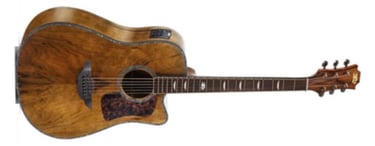
Useful advices for beginner guitar players 1: When learning guitar, it’s common to feel overwhelmed by new techniques, but steady progress comes from breaking skills into small, manageable steps. Many beginners start with open chords before exploring more advanced shapes, and this is where developing confidence with bar chords guitar exercises becomes essential. As you expand your chord vocabulary, you’ll also encounter shapes like the C minor chord, which challenge your hand strength and precision. Focusing on slow, deliberate practice helps you build clarity and control, allowing each note to ring cleanly. With patience and repetition, these once-difficult chords gradually feel natural and rewarding to play.


Introduction to Bar Chords Guitar
Bar chords are an essential aspect of guitar playing that offers the musician a wider array of musical possibilities. Unlike open chords, which utilize one or more open strings, bar chords involve the use of a single finger to press down multiple strings across a fret, creating a movable shape. This technique enables guitarists to play a variety of chords at different positions on the neck, significantly expanding their harmonic range.
The importance of mastering bar chords cannot be understated for aspiring guitarists. While open chords provide the foundational structure for many songs, they often limit the player in terms of key transitions and the ability to experiment with different musical styles. Bar chords empower musicians by allowing them to easily shift between various keys, thus enhancing their versatility. Learning these chords strengthens finger dexterity and muscle memory, which are crucial elements for proficient guitar playing.
Bar chords are notably different from open chords not just in their formation but also in their application. Open chords are usually among the first learned by beginners due to their relative ease and accessibility. In contrast, bar chords require more finger strength and precision. This challenge can intimidate novice guitarists; however, the effort involved in mastering them pays significant dividends, as it paves the way for more advanced playing techniques and song repertoire.
In essence, bar chords are a fundamental component of guitar playing that every guitarist should aim to master. By overcoming the initial difficulty associated with them, players will find themselves equipped with the skills necessary to explore a wider range of music, ultimately contributing to their development as well-rounded musicians.
Understanding the Mechanics of Bar Chords Guitar
Bar chords guitar are a fundamental technique for guitarists, lending versatility and harmonic richness to playing. The mechanics of executing bar chords revolve around key aspects such as finger positioning, hand shape, and the cultivation of finger strength and dexterity. To successfully create these chords, proper finger positioning is crucial, as it allows for clear sound production across all strings.
When forming a bar chord, the index finger acts as a pivotal element, pressing down multiple strings along a fret. This requires maintaining a straight and firm posture to ensure that each string vibrates clearly. It is essential to align your finger parallel to the frets, applying adequate pressure to avoid unwanted buzzing or muted notes. The remaining fingers, typically the middle, ring, and pinky, are positioned to form the chord shape, often resembling open chords except that the index finger creates a "bar" across the fretboard.
The hand shape also plays a significant role in sound clarity. Ideally, the wrist should remain relaxed, allowing for free movement and reducing unnecessary tension. As you practice bar chords, it’s important to experiment with different angles of finger placement; slight adjustments can help optimize the pressure applied to each string. Components such as the curvature of your fingers and their positioning against the fretboard are vital for executing clear sounds.
Furthermore, finger strength and dexterity greatly influence your ability to play bar chords successfully. Regular practice, particularly exercises focusing on finger independence and strength, will enhance your capability over time. Utilizing finger stretches or specific chord progressions can facilitate this development, eventually leading to improved proficiency. Mastering these essential mechanics will not only aid in playing bar chords but also contribute significantly to your overall guitar playing journey.
Bar Chords Guitar: Common Bar Chord Shapes
Bar chords serve as a fundamental component in a guitarist's repertoire, allowing for versatility across various music genres. Developing proficiency with these chord shapes can significantly enhance a player's ability to transpose songs into different keys. The three most essential bar chord shapes include the major, minor, and seventh chords, each of which can be moved along the fretboard to access different pitches.
The major bar chord consists of a root note, typically played on the low E string, followed by an E major shape formed with the remaining fingers. To illustrate, if a guitarist wishes to play an F major chord, they will position their index finger across all strings at the first fret while using their other fingers to form the E major shape in front. This movement illustrates how a single bar chord shape can be applied to different root notes, enabling play in various keys.
Conversely, the minor bar chord can be constructed by modifying the major shape, where the index finger still bars all strings on a fret, while the rest of the fingers form a minor chord structure. For instance, to play an F minor, one maintains the barred position while shifting fingers to correspond to the minor shape. This adaptability underscores the significance of mastering both major and minor forms in advancing guitar skills. Lastly, the seventh bar chord shares similarities with the major shape but includes an additional finger position that creates a distinctive interval. This chord is popularly used in blues and jazz, adding a unique color to a progression. An F7 chord, for example, can easily be derived from the major shape simply by altering one finger's placement.
Liquidity in transitioning among these chord shapes equips guitarists with the foundational tools for effective playing and composition. By internalizing these bar chords, players not only build strength and finger dexterity but also foster greater confidence in their improvisational capabilities.
Tips for Building Strength and Overcoming Challenges
Developing the necessary finger strength and endurance for mastering bar chords on the guitar is essential for any beginner. The intricate nature of these chords requires both physical and mental adaptability, and there are several strategies to enhance capability. One effective approach is to focus on proper finger placement. Ensure that your index finger is pressing down all the strings firmly while maintaining a straight position. This helps distribute the pressure evenly across the fretboard, facilitating a more comfortable grip.
Maintaining the correct posture while playing can significantly impact your ability to perform bar chords with ease. Sit up straight with your shoulders relaxed, and hold the guitar at a height where you can access the fretboard effortlessly. A poor posture can lead to muscle strain and hinder your overall playing quality. Remember to keep your wrist straight; this will not only improve your reach but also enhance finger mobility.
To build strength effectively, consider adopting a progressive approach to practice. Start with simpler chords and gradually work your way up to more complex bar chords. Experiment with different finger exercises designed specifically to strengthen your hand and improve flexibility. These exercises should include stretching and pressing down on the strings in various combinations to condition both your fingers and hands. Incorporating a metronome into practice sessions can help establish a consistent rhythm, thereby promoting endurance over time. It's crucial to be patient with yourself. Muscle memory takes time to develop, and setting realistic goals will help you overcome challenges related to finger fatigue. Break practice sessions into shorter intervals, allowing for intermittent breaks to prevent strain. Emphasizing gradual improvement not only boosts confidence but also lays a strong foundation for more advanced guitar-playing techniques.
Practice Strategies for Mastering Bar Chords Guitar
Mastering bar chords on the guitar can be a challenging yet rewarding endeavor for beginners. A structured approach to practice is essential for refining this skill and building the necessary finger strength and dexterity. One effective strategy is to focus on gradual progression. Start by familiarizing yourself with basic chord shapes before attempting full bar chords. This foundational understanding will ease the transition to more complex finger positions and help develop muscle memory.
Incorporating specific exercises tailored for bar chords can further enhance your practice sessions. For instance, begin with a simple exercise of playing the E major and A major shapes across the neck. Start with just a few frets and as you gain comfort, gradually extend your reach. Another beneficial technique is to use a metronome to maintain a consistent tempo; this will aid in developing timing and rhythm as you play various bar chord shapes. Additionally, practice switching between different bar chords to improve both accuracy and speed during transitions.
Consistency is critical when mastering bar chords. Aim for regular practice sessions focused specifically on these chords, allowing a minimum of 15 to 30 minutes daily. This approach can significantly increase muscle strength in the fingers and improve overall comfort. Consider setting specific goals for each practice session, such as achieving clarity in chord sound or reducing finger strain. Moreover, taking notes on progress and challenges can provide insight into areas that need further attention. By committing to these effective practice strategies, guitarists will find themselves not only mastering bar chords but also gaining confidence to explore more complex musical concepts.
Integrating Bar Chords into Your Guitar Playing
Bar chords are a fundamental aspect of guitar playing, providing musicians with the ability to play a wide range of chords and enhancing their versatility across various musical genres. Integrating bar chords into your playing can elevate your guitar skills and enrich your musical repertoire. Different styles such as rock, blues, and folk heavily rely on bar chords, making them essential for any aspiring guitarist.
In rock music, bar chords are commonly used to create powerful riffs and driving progressions. For example, the classic song "Smoke on the Water" by Deep Purple employs simple bar chord shapes that resonate well with the energetic nature of rock. Similarly, songs like "Wild Thing" by The Troggs and "Free Fallin'" by Tom Petty feature bar chords prominently, allowing players to explore their strength while delivering compelling sound quality. Mastering these chords not only boosts confidence but also broadens the potential for playing other rock classics.
When delving into blues, bar chords offer a way to explore various tonalities and emotions that characterize the genre. The use of bar chords in songs like "Sweet Home Chicago" showcases how they can provide a solid harmonic foundation while allowing for expressive lead work. Visualizing the guitar neck and understanding the relationship between bar chords and standard open-position chords can greatly facilitate playing in blues contexts, enabling players to navigate changes seamlessly.
Folk music also embraces the use of bar chords, often incorporating them for strumming patterns or fingerpicking arrangements. Iconic songs such as Guns N’ Roses "Knockin' on Heaven's Door" (in original key) exemplify how bar chords can shape the emotional landscape of a song. This adaptability makes bar chords a powerful tool in a guitarist's toolkit, irrespective of the musical style. By consistently practicing and applying bar chords, musicians will not only enhance their playing ability but also gain the confidence to experiment with new sounds and compositions.
Bar Chords Guitar: Next Steps
Mastering bar chords on the guitar is a crucial step for any aspiring guitarist. This skill not only expands your chord repertoire but also enhances your overall musicianship. Throughout this guide, we have explored the fundamental techniques necessary to build the strength and confidence required to play bar chords. Key aspects such as finger positioning, hand placement, and gradual practice are essential for developing proficiency.
Regular practice is vital. It is recommended that beginners dedicate time each day to focus specifically on bar chords, gradually increasing complexity as their comfort and ability grow. Starting with simple major and minor bar chords will allow you to establish a strong foundation, upon which more advanced techniques can be added. Additionally, incorporating scales and arpeggios into your practice will promote finger dexterity and strength, further assisting in mastering bar chords on the guitar.
As you continue your musical journey, consider exploring various online resources. Websites offering video tutorials can provide visual guidance, making it easier to understand complex techniques. Interactive lessons often feature feedback mechanisms, allowing for a more personalized learning experience. Online forums can also be beneficial; participating in discussions with other guitarists enables one to gain insights and share experiences.
Remember the importance of patience and persistence. Mastering bar chords is not an overnight endeavor, but with consistent practice and the right resources, significant progress is achievable. Take advantage of varied exercises, embrace the challenges, and remain committed to your practice. Your dedication will ultimately lead to greater musical rewards and a more fulfilling experience playing guitar.


Learning guitar becomes far more enjoyable when you mix structured practice with fun songs that motivate you. Many beginners find that working on familiar riffs helps build confidence, especially when exploring new techniques or strengthening rhythm skills. Adding something like the tnt guitar tab to your routine can introduce simple chord changes while keeping the experience exciting. As you repeat sections slowly, your timing, accuracy, and overall control begin to improve naturally. With consistent effort, even short daily sessions can lead to noticeable progress and a stronger musical foundation.