

Guitar Palm Mute Techniques Every Player Should Know
Master the guitar palm mute to add punch and rhythm to your playing. Learn essential techniques, pro tips, and common mistakes to avoid in this complete guide.
magicchords.com
2/5/2026


Master the guitar palm mute to add punch and dynamics to your sound. This essential technique transforms your rhythm playing, providing that iconic percussive chug every guitarist needs to know.
Mastering the guitar palm mute is one of those pivotal moments in a musician's journey where the instrument truly begins to feel like an extension of your creative voice. Whether you are aiming for the tight, aggressive chugging of heavy metal, the percussive drive of pop-punk, or the subtle, rhythmic texture required for acoustic singer-songwriter tracks, understanding the guitar palm mute is non-negotiable for achieving a professional sound.


At its core, the guitar palm mute is a technique used to dampen the vibration of the strings, creating a focused, thumping tone that emphasizes rhythm over sustain. By resting the side of your picking hand’s palm across the strings right where they meet the bridge, you gain immense control over the dynamics of your playing. This balance is delicate; too much pressure and you choke the note entirely, too little and the effect is lost.
In this guide, we break down the fundamental mechanics of the guitar palm mute to help you avoid common pitfalls like hand fatigue or "muddy" notes. We will explore how to find the "sweet spot" on your specific bridge type, how to coordinate your downstrokes for maximum impact, and how to transition seamlessly between muted and open notes to create compelling musical contrast.


Improving your guitar palm mute will not only sharpen your timing but also clean up your overall technique by teaching you essential string-muting habits. Ready to add more punch and precision to your riffs? Let's dive into the essential techniques that will elevate your playing and give you that sought-after percussive edge that every great player should know.
Useful advices for beginner guitar players 1: Learning modern guitar styles often means combining rhythm control with familiar pop progressions. As players advance, they focus on dynamics, timing, and how their picking hand shapes the sound. In the middle of many practice routines, the guitar palm mute technique is used to add punch and texture, while songs like Wrecking Ball chords by Miley Cyrus help apply that control in a musical context. Practicing this way improves consistency and groove. Over time, muted strums and open chords blend naturally, allowing guitarists to create expressive performances that feel polished, emotional, and rhythmically solid across different genres.
Why Every Guitarist Needs the Guitar Palm Mute
The guitar palm mute is more than just a technique; it is a fundamental building block of modern guitar playing. From the rhythmic chugging of heavy metal to the subtle percussive pulses in acoustic folk, the guitar palm mute allows players to control the sustain and timbre of their notes with surgical precision. If you have ever wondered why your favorite riffs sound so tight and punchy on a recording but feel messy when you play them, the secret usually lies in the mastery of the guitar palm mute.

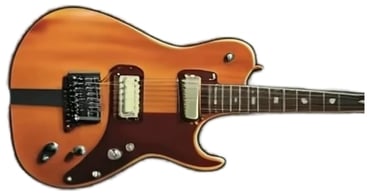
At its essence, the guitar palm mute involves using the fleshy part of your picking hand—specifically the side of your palm near the pinky—to lightly touch the strings near the bridge. This dampens the vibration, shortening the note's decay and creating a "thumpy" or percussive sound. For beginners, the guitar palm mute can feel awkward, often leading to either a completely dead sound or a note that rings out too much. However, with consistent practice, the guitar palm mute becomes second nature, allowing for dynamic expression that separates the amateurs from the professionals.
Finding the Sweet Spot for the Guitar Palm Mute
The most common struggle when learning the guitar palm mute is finding exactly where to place your hand. To execute a perfect guitar palm mute, you must locate the bridge of your guitar. If you place your hand too far forward toward the neck, the guitar palm mute will completely kill the pitch of the note. Conversely, if your hand is too far back on the bridge itself, the guitar palm mute won't be effective, and the strings will continue to ring out clearly.
Every guitar is different. On a Fender-style fixed bridge, the guitar palm mute feels different than on a Gibson-style Tune-o-matic or a Floyd Rose tremolo system. You must experiment by sliding your palm back and forth until you find that "sweet spot" where the note still has a recognizable pitch but possesses a percussive, muffled quality. Mastering the physical placement for the guitar palm mute is the first step toward achieving that professional, controlled tone that fits into any musical arrangement.
Dynamic Control Through the Guitar Palm Mute
One of the most overlooked aspects of the guitar palm mute is its ability to create dynamic contrast. A guitar palm mute isn't an "on or off" switch; it exists on a spectrum. By varying the pressure of your palm, you can change the intensity of the guitar palm mute. A light guitar palm mute provides a slight muffling effect that works beautifully for clean indie or blues riffs, while a heavy guitar palm mute creates the aggressive, percussive "chug" found in thrash metal and hard rock.
Learning to fluctuate your pressure during a single song is a hallmark of a great player. For instance, you might use a heavy guitar palm mute during the verses to keep the sound tight and leave room for the vocals, then gradually release the guitar palm mute as you approach the chorus to let the guitar's natural sustain explode. This mastery of the guitar palm mute gives you a level of emotional control over the music that simply hitting the strings harder cannot provide.
Proper Hand Positioning for a Clean Guitar Palm Mute
Maintaining a comfortable hand position is vital to avoiding injury while performing the guitar palm mute. Many students make the mistake of tensing their entire arm when trying to achieve a heavy guitar palm mute. This tension is the enemy of speed and accuracy. Instead, the guitar palm mute should be initiated from a relaxed wrist. Your palm should rest naturally on the strings, and the picking motion should come from the wrist, not the elbow.
Another key to a clean guitar palm mute is the angle of your pick. When combined with the guitar palm mute, a slight downward pick slant can help you glide through the strings more efficiently. If your hand is anchored too firmly for the guitar palm mute, you might find it difficult to move across the strings for lead lines. Therefore, you must learn to "float" your palm while still maintaining enough contact to produce the guitar palm mute effect across all six strings.
Common Mistakes to Avoid with the Guitar Palm Mute
Even experienced players can fall into bad habits regarding the guitar palm mute. One frequent error is "pitch-shifting" the notes by pressing down too hard on the strings. This is especially prevalent on guitars with tremolo bridges; if you push too hard while trying to get a deep guitar palm mute, you might inadvertently sharpen the notes by increasing string tension. This turns a great-sounding guitar palm mute into an out-of-tune mess.
Another mistake is relying on the guitar palm mute to hide sloppy fretting hand technique. While the guitar palm mute does help dampen unwanted string noise, it shouldn't be a crutch for poor muting elsewhere. You should ensure that your guitar palm mute is enhancing your tone rather than masking mistakes. Practice playing your riffs with and without the guitar palm mute to ensure your timing and hand placement remain consistent regardless of the muting style you apply.
Integrating the Guitar Palm Mute into Your Practice Routine
To truly internalize the guitar palm mute, you need a dedicated practice strategy. Start by playing a simple chromatic scale using a consistent guitar palm mute on every note. Focus on making sure the guitar palm mute sounds identical on the thick E string as it does on the thinner G and B strings. This consistency is what builds a rhythmic foundation. Once you are comfortable, try alternating between one muted note and one open note to develop the coordination required for complex guitar palm mute patterns.
Try practicing the guitar palm mute with a metronome. The percussive nature of the guitar palm mute makes timing errors very obvious. By refining your guitar palm mute at slow speeds, you build the muscle memory needed for high-speed alternate picking or galloping rhythms. As you progress, the guitar palm mute will become an invisible but essential part of your toolkit, allowing you to play with more confidence, better tone, and professional-level dynamics.


Useful advices for beginner guitar players 2: Learning guitar is a journey that blends technique, theory, and emotional expression. As players grow more confident, they begin to notice how certain chords shape the mood of a song. In the middle of many popular progressions, the E minor chord adds depth and a reflective tone that instantly changes the atmosphere. Practicing smooth transitions into and out of this chord helps improve timing and finger control. With consistent practice, guitarists develop cleaner sound, stronger musical intuition, and the confidence to play expressively across different styles and genres.