
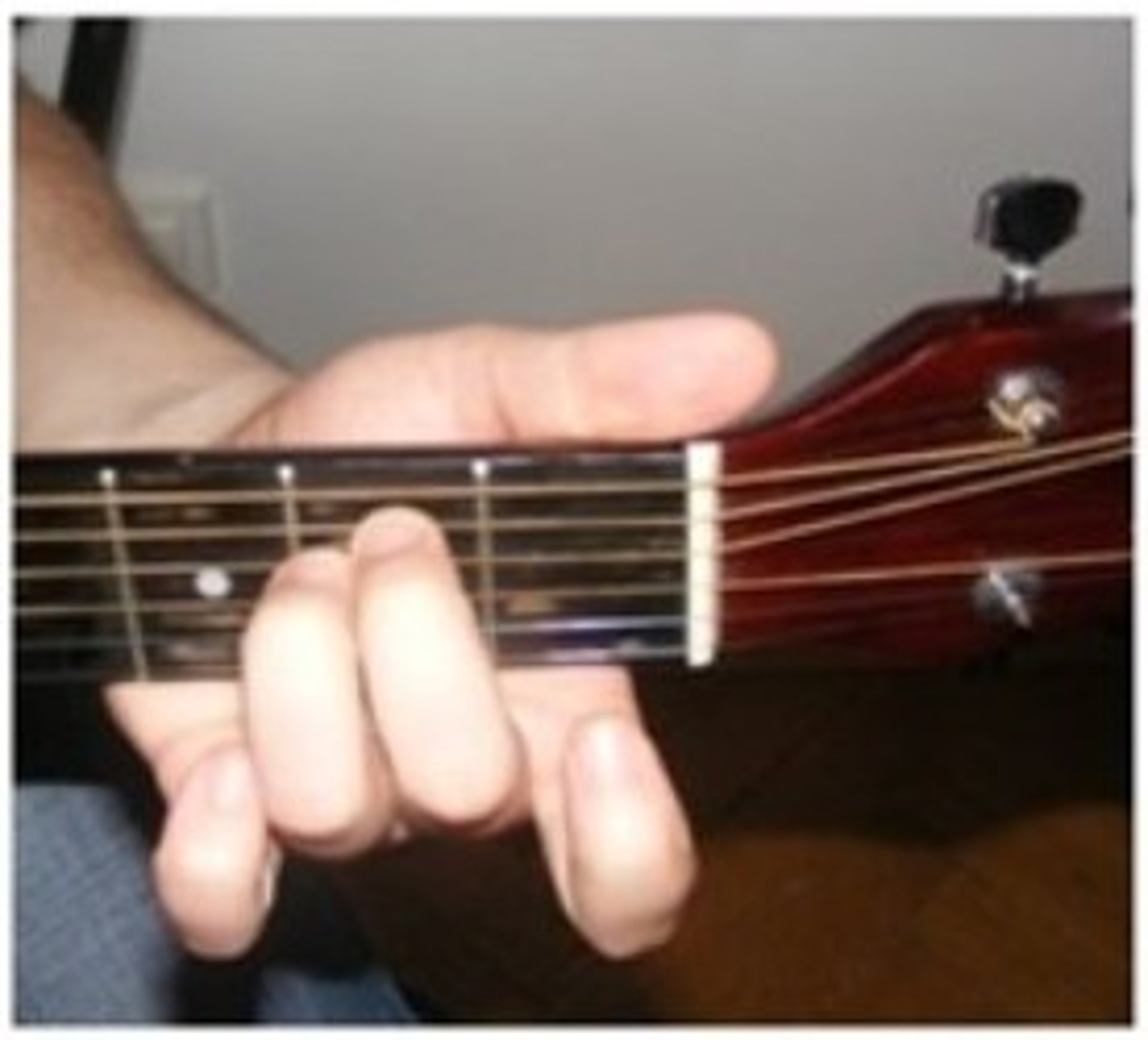
Learn the E minor Chord Step by Step on Guitar
Master the E minor chord with our easy, step-by-step guitar guide. Perfect for beginners, this tutorial covers finger placement, tips, and common mistakes. Go!
magicchords.com
2/1/2026


Ready to play your first soulful song? Learning the E minor chord is a must for ogni guitarist. Follow our simple, step-by-step guide to mastering this essential open chord today.
Mastering the guitar is a journey of a thousand miles that begins with a single, resonant strum. For many aspiring musicians, that first true connection to the instrument happens through the E minor chord. Known for its deep, somber, and melancholic quality, the E minor chord is more than just a beginner's requirement—it is the emotional backbone of countless hits across rock, folk, and blues history. Because it utilizes all six strings, it offers a fullness that few other shapes can match.


Whether you are picking up an acoustic guitar for the very first time or looking to refine your fundamental electric technique, understanding the E minor chord is essential. Its simplicity is deceptive; while it technically only requires two fingers to play, achieving that perfect, buzz-free ring requires a blend of proper hand posture, thumb positioning, and consistent practice. It serves as the gateway to the key of G major and E minor, two of the most popular keys in modern music.
The E minor chord on guitar - post content:
1. The Importance of the E Minor Chord in Guitar Playing
2. How the E Minor Chord Shapes Your Overall Tone
3. Easy Finger Placement for a Clean E Minor Chord
4. Mastering the E Minor Chord Step by Step
5. Common E Minor Chord Mistakes and How to Correct Them
6. Why Beginners Need to Learn the E Minor Chord Early
7. Pro Tips to Learn the E Minor Chord More Quickly
8. Strumming the E Minor Chord Like a Pro
9. Easy Transitions In and Out of the E Minor Chord
In this comprehensive guide, we will break down everything you need to know to play this chord with professional clarity. We will explore the foundational role this chord plays in music theory and how it shapes the overall "mood" of your playing. We’ll also dive into the physical "how-to" of finger placement, addressing the common pitfalls that lead to muted strings or finger fatigue.
By the end of this post, you won't just be "pressing down strings"—you’ll be articulating the E minor chord with the confidence and control of a seasoned player. From understanding its dark tonal texture to applying pro tips that accelerate your muscle memory, we’ve mapped out the perfect path for your progress. Let’s dive into the fretboard and start building your musical foundation.


Useful advices for beginner guitar players 1: Learning guitar involves understanding how different chords create mood and contrast within music. As players progress, they begin to notice how harmony shapes emotion and storytelling in songs. In the middle of many progressions, the E major chord brings brightness and resolution, while the E minor chord introduces a darker, more reflective tone. Switching between these two helps guitarists train their ears and fingers at the same time. With regular practice, chord changes become smoother and more expressive. Over time, mastering these basics builds confidence, musical awareness, and the ability to play a wide range of styles comfortably.
The Importance of the E Minor Chord in Guitar Playing
The E minor chord holds a special place in guitar playing and is often one of the first chords beginners learn. Its simple finger placement makes it accessible, while its rich and emotional sound adds depth to countless guitar songs across many genres. Because it uses open strings, the E minor chord rings clearly and helps players develop confidence early in their learning journey. One of the key reasons the E minor chord is so important is its versatility. It appears in rock, pop, folk, blues, and even classical-inspired pieces. Learning this chord allows guitarists to play a wide range of well-known songs with minimal technical difficulty. This early sense of achievement keeps beginners motivated and encourages consistent practice.
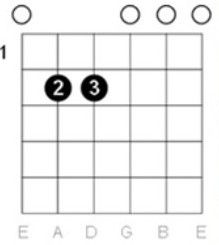
The E minor chord also plays a crucial role in understanding musical structure. It often functions as a tonal center or a contrasting chord within progressions, helping players recognize how minor harmonies create mood and tension. By practicing transitions between E minor and related chords such as G, C major chord, and A minor, guitarists improve both timing and coordination. Beyond technical benefits, the E minor chord helps develop musical expression. Its darker, more introspective character teaches players how emotion can be conveyed through harmony. Mastering the E minor chord is not just about learning a shape on the fretboard, but about building a strong foundation for musical growth and creative exploration on the guitar.
How the E Minor Chord Shapes Your Overall Tone
The E minor chord plays a significant role in shaping a guitarist’s overall tone, especially during the early stages of learning. Because it uses open strings, the chord produces a full, resonant sound that allows the natural character of the guitar to shine through. This openness makes the E minor chord an excellent reference point for understanding how tone is created through both the instrument and the player’s technique. One of the most important aspects of the E minor chord is how it responds to touch. Small changes in finger pressure, picking strength, or strumming style can noticeably alter its sound. This sensitivity helps guitarists become more aware of their dynamics and control, encouraging a more intentional approach to playing. As a result, players begin to shape their tone rather than simply producing notes.
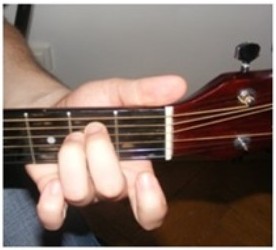
The E minor chord also highlights the relationship between tone and emotion. Its darker and more reflective quality influences how a progression feels, even when combined with brighter major chords. Learning to balance the E minor chord within a song teaches guitarists how contrast affects overall tone and mood. The E minor chord is often used as a tonal anchor in many musical styles. When played clean, it delivers clarity and warmth, while with distortion it gains power and intensity. This flexibility allows players to experiment with different sounds and effects. By mastering the E minor chord, guitarists gain a deeper understanding of tone, expression, and how subtle choices shape the character of their music.
Easy Finger Placement for a Clean E Minor Chord
The E minor chord is one of the easiest and most rewarding guitar chords for beginners to learn, largely because of its simple finger placement. With only two fingers required, it allows new players to focus on sound quality and hand position without feeling overwhelmed. This simplicity makes the E minor chord an ideal starting point for developing clean and confident playing. To achieve a clean E minor chord, proper hand placement is essential. The fingers should be placed close to the frets rather than directly on top of them, which helps produce a clear tone with minimal effort. Applying steady, relaxed pressure is more effective than pressing too hard, as excessive tension can lead to muted strings and finger fatigue. Keeping the thumb positioned comfortably behind the neck also supports better control and balance.
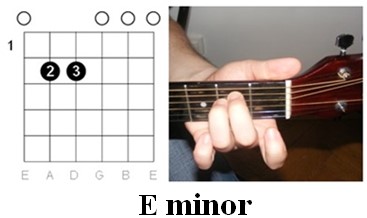
Another important factor is hand posture. A slightly curved finger shape allows each string to ring freely without interference from neighboring fingers. Beginners often struggle with accidental muting, but slowing down and checking each string individually can quickly correct this issue. Over time, muscle memory will develop, making the chord feel natural and effortless.
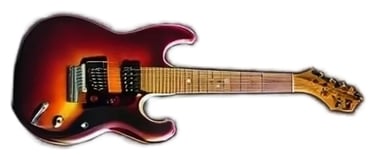
Write your text here...Strumming technique also plays a role in achieving a clean sound. A smooth, even stroke helps all strings resonate together, enhancing the chord’s rich tone. By focusing on easy finger placement and relaxed technique, guitarists can produce a clean E minor chord that sounds full, expressive, and confident from the very beginning.
Mastering the E Minor Chord Step by Step
Mastering the E minor chord is an important milestone for every guitarist, especially beginners. Its straightforward structure makes it easy to learn, yet it offers great depth and musical potential. Approaching the E minor chord step by step helps build proper technique while developing confidence and consistency. The first step is understanding the chord shape and finger positioning. Using only two fingers, the E minor chord allows players to focus on accuracy rather than complexity. Placing the fingers close to the frets and applying gentle, even pressure ensures that each note rings clearly. Taking time to check each string individually helps identify and correct muted or buzzing sounds early on.

The next step involves developing muscle memory. Repeating the chord shape slowly and deliberately trains the hand to find the correct position naturally. Practicing smooth strums and controlled picking strengthens coordination between both hands. At this stage, consistency is more important than speed, as clean execution forms the foundation for future progress.
The final step is integrating the E minor chord into chord progressions. Transitioning between E minor and commonly paired chords such as G, A minor chord, or C major improves timing and flow. Playing along with simple songs or backing tracks helps reinforce rhythm and musical context.
By following this step by step approach, guitarists can fully master the E minor chord. What begins as a basic shape soon becomes a powerful tool for expression, creativity, and confident guitar playing.
Common E Minor Chord Mistakes and How to Correct Them
The E minor chord is often one of the first chords guitarists learn, but its simplicity can sometimes lead to overlooked mistakes. Identifying and correcting these common issues early helps build strong technique and prevents bad habits from forming.
One frequent mistake is improper finger placement. Beginners may place their fingers too far from the frets, which can cause buzzing or muted notes. To correct this, fingers should be positioned close to the fret wire while maintaining a relaxed hand. Applying excessive pressure is another common issue. Pressing too hard can create tension and fatigue without improving sound quality. Instead, use just enough pressure to produce a clear tone.


Another common problem is accidental string muting. This often happens when fingers are not properly curved, allowing them to touch neighboring strings. Practicing slowly and checking each string individually can help develop better finger control. Over time, muscle memory will naturally improve accuracy. Strumming mistakes can also affect the clarity of the E minor chord. Uneven or overly aggressive strumming may overpower certain strings, leading to an unbalanced sound. Using a smooth and controlled strum allows all strings to resonate evenly. Additionally, poor hand posture, such as a collapsed wrist or misplaced thumb, can limit flexibility and comfort. Keeping the wrist relaxed and the thumb behind the neck promotes better control.
Finally, rushing through practice is a mistake many beginners make. Playing too fast before mastering the chord shape often reinforces errors. Slowing down and focusing on clean execution ensures steady progress. By recognizing these common mistakes and applying simple corrections, guitarists can play the E minor chord with clarity, confidence, and improved musical expression.
Why Beginners Need to Learn the E Minor Chord Early
The E minor chord is one of the most important chords for beginners to learn early in their guitar journey. Its simple finger placement makes it accessible, even for players who are just starting to develop finger strength and coordination. Because it requires only two fingers and uses open strings, beginners can focus on producing a clean sound without feeling overwhelmed. Learning the E minor chord early also helps build confidence. New guitarists often struggle with complex chord shapes, which can be discouraging. The E minor chord allows beginners to experience success quickly, motivating them to practice more consistently. This early sense of achievement plays a crucial role in long-term progress.

Musically, the E minor chord appears in countless songs across many genres, including rock, pop, folk, and blues. Mastering it early enables beginners to play recognizable music sooner, making practice more enjoyable and practical. It also introduces players to the emotional quality of minor chords, helping them understand how mood and expression work in music. The E minor chord serves as a foundation for learning other chords and techniques. It strengthens basic fretting-hand skills, improves strumming control, and prepares beginners for chord transitions. By learning the E minor chord early, beginners gain a strong starting point that supports faster learning and musical growth.
Pro Tips to Learn the E Minor Chord More Quickly
Learning the E minor chord can be fast and enjoyable if you approach it with the right strategies. One of the most effective tips is to focus on finger accuracy from the beginning. Place your middle and ring fingers close to the frets on the A and D strings to ensure a clear sound and avoid buzzing. Practicing this placement slowly helps your muscle memory develop correctly. Another useful tip is to practice chord transitions early. Switch between E minor and simple open chords like G, C, or A minor. This not only reinforces the E minor shape but also improves overall coordination and timing. Start slowly and increase your speed gradually to maintain clean transitions.


Consistency is key when learning any chord. Short, daily practice sessions are more effective than long, infrequent ones. Spend a few minutes each day playing the E minor chord with different strumming patterns to improve both rhythm and tone control. Using a metronome can also help you stay in time and build steady rhythm skills. Listening actively is another powerful learning tool. Pay attention to songs that feature the E minor chord and try to play along. This helps you connect the chord shape with real music and improves your ear. Finally, stay relaxed while practicing. Tension slows progress, so keep your hand loose and enjoy the process.
Strumming the E Minor Chord Like a Pro
Strumming the E minor chord like a pro is less about complexity and more about control, timing, and feel. Because the E minor chord uses all six strings, it offers a full, rich sound that responds beautifully to different strumming patterns. Beginners should start with simple downstrokes to develop accuracy and even dynamics across all strings. Once the chord rings cleanly, introduce basic down-up strumming patterns. Keep your wrist relaxed and let the motion come from your wrist rather than your arm. This flexibility helps create a smoother, more musical sound and prevents fatigue during longer practice sessions. Using a pick at a slight angle can also reduce resistance and produce a warmer tone.

Dynamics play a major role in professional-sounding strumming. Practice varying your strumming intensity by playing softly during verses and more strongly during choruses. This contrast adds emotion and keeps your playing engaging. Muting unused strings with your palm or fretting hand can also help control unwanted noise, especially at faster tempos. Finally, practice with a metronome to improve timing and consistency. Strumming in time is what separates casual playing from professional performance. With steady practice and attention to rhythm, your E minor strumming will sound confident, controlled, and musical.
Easy Transitions In and Out of the E Minor Chord
Smooth transitions in and out of the E minor chord are an essential skill for every guitarist, especially beginners. One reason the E minor chord is so transition-friendly is its simple finger shape, which allows quick movement to many common chords. Learning these transitions early helps build confidence and keeps your playing fluid and musical. A great starting point is practicing changes between E minor and G major. Both chords share similar hand positioning, making the transition feel natural. Another common progression involves moving from E minor to A minor or C major. Focus on lifting only the fingers that need to move and keeping the others close to the strings. This minimizes motion and increases speed and accuracy.
Useful advices for beginner guitar players 2: Learning music theory gives musicians the freedom to adapt songs to any situation with ease. As skills improve, players start recognizing patterns, intervals, and chord relationships across keys. In the middle of this learning process, the transposition of chords becomes a powerful tool that removes dependence on fixed shapes and original keys. This understanding allows quick adjustments for singers, ensembles, or creative experimentation. With regular practice, transposition strengthens the ear, boosts confidence, and makes playing more intuitive. Over time, musicians feel more flexible, responsive, and comfortable performing in any key.
Pay close attention to finger pressure and hand posture during transitions. Avoid lifting your fingers too high off the fretboard, as this slows you down and disrupts timing. Practicing slow, deliberate changes with a metronome will help train muscle memory and improve consistency. Practice transitions within real songs. Playing chord changes in a musical context reinforces timing and rhythm while making practice more enjoyable. With regular, focused practice, moving in and out of the E minor chord will soon feel effortless and smooth.