

Guitar for Beginners: Wrecking Ball chords by Miley Cyrus
Master the wrecking ball chords by Miley Cyrus with our easy guitar guide for beginners. Learn simple shapes, strumming patterns, and play this hit today! Click.
magicchords.com
2/2/2026


Ready to master the wrecking ball chords? This beginner guide breaks down Miley Cyrus’s hit into easy steps, so you can start playing right now.
Few songs in the last decade have captured raw emotion quite like Miley Cyrus’s 2013 powerhouse hit. It’s a track that demands to be sung at the top of your lungs, but have you ever considered how it feels to let those iconic melodies ring out from your own fingertips? If you’re just starting your musical journey, finding the right Wrecking ball chords is the perfect way to bridge the gap between being a fan and becoming a performer.


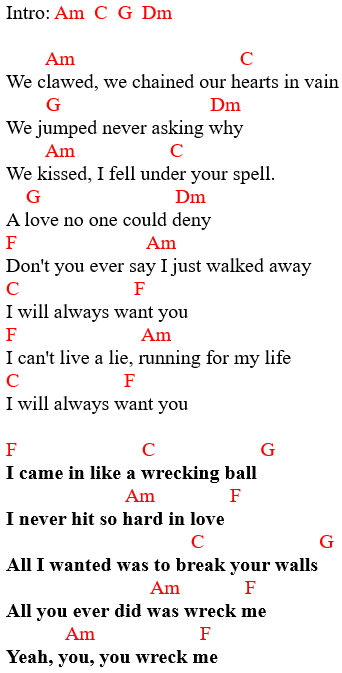
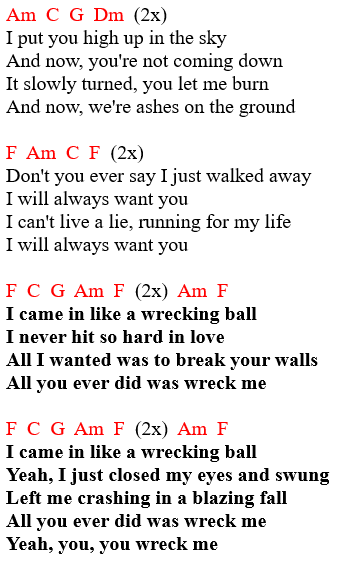
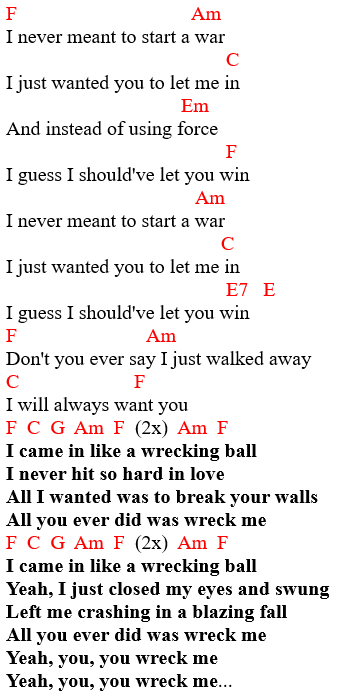
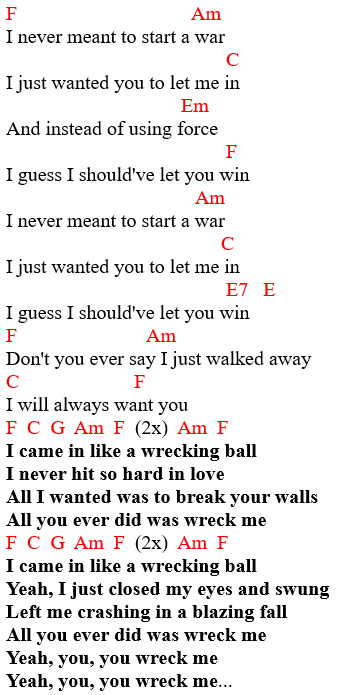
Miley Cyrus - Wrecking Ball: chords to play
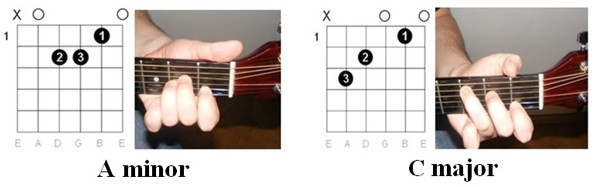
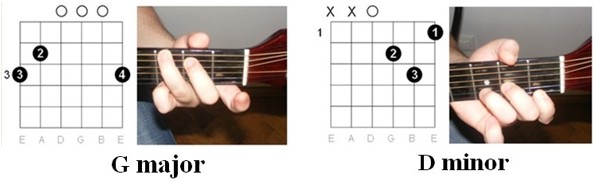
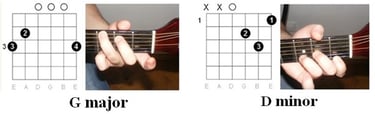
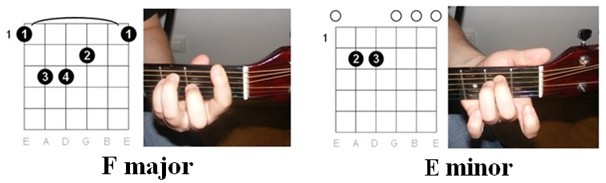
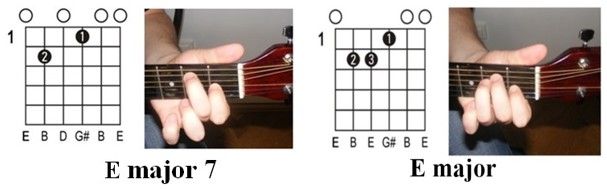
Guitar chords: Am, C, G, Dm, F, Em, E7 and E
Chords in original key: Dm, F, C, Gm, A#, Am, A7, A
Capo: 5th fret
There is a common misconception that chart-topping ballads require years of conservatory training to master. In reality, the beauty of this song lies in its accessibility. When you first sit down to look at the wrecking ball chords, you’ll realize that the structure is built on a foundation of classic shapes that every beginner needs in their toolkit. It’s not about complex jazz theory; it’s about the soul behind the strum.
In this comprehensive guide, we are going to demystify the Wrecking Ball chords right here in this tutorial. Whether you are struggling with smooth transitions or trying to figure out a strumming pattern that doesn't sound robotic, we’ve got you covered. We will break down the verse, the pre-chorus, and that explosive chorus that everyone loves.
Learning the Wrecking ball chords isn’t just about memorizing finger placements; it’s about understanding song dynamics—how to go from a whisper to a roar with just a few strings. By the end of this post, you’ll have the confidence to play through the entire track without hesitation. So, grab your guitar, tune up those strings, and let’s dive into the wrecking ball chords that will make your practice sessions feel like a headline performance. No demolition crew needed—just heart and these chords now.


Useful advices for beginner guitar players 1: Learning guitar theory helps players understand how emotions are expressed through harmony and chord choices. Practice sessions often focus on timing, tone, and smooth transitions between shapes. In the middle of many progressions, the E minor chord adds depth and a slightly melancholic feel that enhances musical storytelling. Beginners may find it easier to play, which builds early confidence and motivation. With consistent practice, chord changes become cleaner and more expressive. Over time, mastering simple chords like this opens the door to songwriting, improvisation, and playing a wide range of musical styles comfortably.


Learning to play the guitar is a journey often fueled by the desire to recreate those massive, stadium-filling moments that we see in our favorite music videos. There is perhaps no song from the last decade that captures that raw, shattering emotional energy quite like Miley Cyrus’s 2013 hit. It is a song that starts with a vulnerable, almost conversational whisper and builds into a soaring, desperate cry. For a novice guitarist, this track is a goldmine. It offers a perfect balance of accessible shapes and slightly more challenging transitions that will help you grow from a hobbyist into a confident player.
By the time you master the Wrecking ball chords, you won’t just be playing a song; you’ll be understanding how dynamic contrast and melodic tension work together to create a masterpiece.
The beauty of this ballad lies in its emotional honesty, and that honesty is reflected in its harmonic structure. You don’t need to be a virtuoso to make this song sound great. All you need is a well-tuned guitar, a bit of patience, and a willingness to feel the music. In this guide, we are going to dive deep into every aspect of the track, ensuring that your practice sessions are as productive as they are inspiring.
Wrecking Ball: chords used in the song
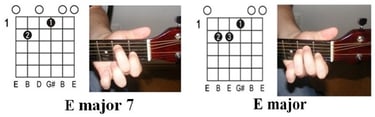
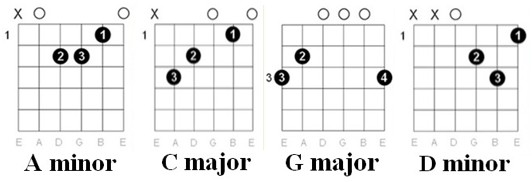
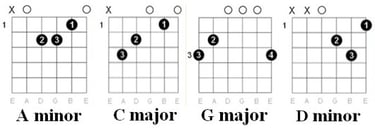
To truly grasp the soul of this song, we first have to look at the ingredients. The Wrecking Ball chords utilized in this arrangement provide a rich palette of sounds, ranging from the somber and dark to the bright and triumphant. This song is primarily centered in a key that allows for open, ringing strings, which is great news for beginners. The primary cast of characters includes A minor (Am), C Major (C), G Major (G), and D minor (Dm). These four form the backbone of the verses, creating that moody, introspective atmosphere that sets the stage for the drama to come.
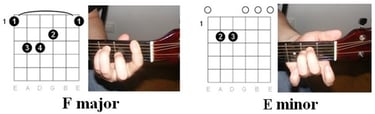
As we move into the more complex sections of the song, we introduce the F Major (F) chord. For many beginners, the F chord is the first real "boss fight" of the guitar. Whether you choose to play it as a full barre chord or a simplified four-string version, it is essential for that explosive chorus. Additionally, the song makes brilliant use of E minor (Em), E7, and E Major (E). These variations on the E chord serve as "turnarounds." They create a sense of tension and anticipation that practically pulls the listener into the next section. When you use these wrecking ball chords, you are learning the difference between a static progression and a living, breathing musical narrative.
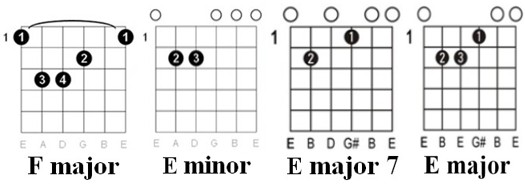
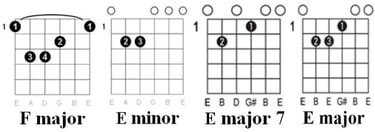
The inclusion of both E7 and E Major is particularly interesting. The E7 chord has a slightly more "unsettled" or bluesy feel, which works perfectly right before a big transition. Meanwhile, the E Major provides a strong, dominant lead-in that gives the song its epic, cinematic quality. Understanding why we use these specific chords is just as important as knowing where to put your fingers. Each chord choice is a deliberate emotional beat.
How to play wrecking ball chords
Once you have familiarized yourself with the shapes, the next step is understanding the architecture of the song. The way you play these wrecking ball chords changes significantly as you move through the track. In the verse, the mood is sparse. You want to focus on clean, ringing notes. The progression typically follows a pattern of Am, C major, G major, and Dm. When playing these, try to let the low notes of the chord ring out clearly. This provides a "bass" foundation that mimics the electronic production of the original track. You aren't just hitting strings; you are setting a scene.
As you approach the pre-chorus, the tension starts to ratchet up. This is where the Dm and F chords come into play more prominently. You’ll notice that the transition from Dm to F can feel a bit clunky at first because your hand has to shift quite a bit. The key to playing these wrecking ball chords smoothly is to look for "anchor fingers"—fingers that stay in a similar position or can slide easily from one shape to another. For instance, when moving from C Major to A minor, your index and middle fingers are already very close to where they need to be. Small efficiencies like this are the secret to fluid playing.
The chorus is where you finally let go. The progression shifts to C, G, Am, and F. This is a classic "stadium" progression. To make it sound like the record, you need to hit these chords with conviction. While the verse was delicate, the chorus should be powerful. Focus on the "down-beat" of each measure. If you are playing the F as a barre chord and finding it difficult to keep up the pace, don't be afraid to use a "short-form" F Major. This involves playing only the top four strings. It still captures the brightness of the chord without the physical strain of barring all six strings, allowing you to focus on the rhythm and the emotion of the performance.
Tips for beginners mastering Wrecking Ball chords
Starting out can feel overwhelming, especially when a song has eight different chords. My first piece of advice for anyone tackling these Wrecking Ball chords is to break the song into bite-sized chunks. Don't try to play the whole thing from start to finish on your first try. Spend ten minutes just switching between Am and C. Then, spend another ten minutes switching between G and D minor. By isolating these pairs, you are building the muscle memory necessary to make the transitions unconscious. You want your fingers to know where to go before your brain even has to tell them.


Another vital tip for the Wrecking ball chords is to pay attention to your thumb position. When you are struggling with the F chord or the Dm chord, beginners often let their thumb fly up over the top of the neck. While some blues players do this intentionally, for a beginner, it often restricts your finger reach. Try to keep your thumb "peeking" over the middle of the back of the neck. This gives your fingers more "arch," which prevents them from accidentally touching and muting adjacent strings. A muffled chord can ruin the mood of a ballad, so clarity is king.
Lastly, don't forget to use a metronome or play along with the original track. It is very easy to slow down during the hard parts (like that F chord) and speed up during the easy parts (like the G chord). Playing along with Miley helps you maintain a consistent "groove." Even if you can only hit one strum per chord change at first, staying in time is more important than playing every single note perfectly. The rhythm is the heartbeat of the song; if the heartbeat is steady, the listener will follow you anywhere.
Choosing the right strumming pattern for Wrecking ball chords
The strumming pattern is what gives this song its "swing" and its power. When you are working with the Wrecking ball chords, you want to avoid a "one-size-fits-all" approach to strumming. In the beginning, specifically during the verses, less is more. You might consider a simple "whole note" strumming pattern—meaning you strum down once on the first beat of every measure and let the chord ring for four beats. This creates that haunting, empty space that makes the lyrics stand out. If you want to get a bit more advanced, you can try "palm muting," where you rest the side of your picking hand lightly on the strings near the bridge to create a thudding, percussive sound.
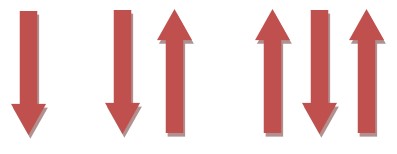
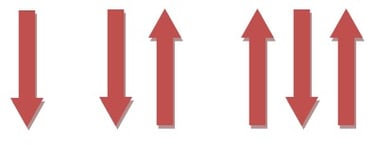
When the chorus hits, your strumming needs to explode just like the "wrecking ball" itself. A great pattern for this section is a classic "Down, Down-Up, Up-Down-Up" rhythm. This provides a constant forward motion. The first "Down" hit should be heavy, focusing on the lower strings to get that bass response. The "Up" strums should be lighter and focused on the higher strings to add shimmer. This contrast between the heavy and light strums is what makes your guitar sound like a full band rather than just a solo instrument.
As you practice this pattern with your Wrecking ball chords, focus on keeping your wrist loose. A stiff wrist leads to a mechanical, "clunky" sound. Think of your wrist like a paintbrush—you want a fluid, sweeping motion. If you find yourself losing the rhythm, simplify it. You can go back to four straight down-strums per measure, but make sure you are accenting the first and third beats. This "pumping" rhythm is what drives the emotional climax of the song and keeps the energy high until the final, ringing note.
Useful advices for beginner guitar players 2: Understanding music theory helps musicians move beyond memorizing songs and start truly understanding how music works. As players develop their skills, they begin to hear relationships between chords and keys more clearly. In the middle of this growth, the transposition of chords allows songs to be shifted into any key without losing their character. This ability is especially useful when playing with singers or other instruments. With regular practice, transposition improves ear training, boosts confidence, and makes musicians more adaptable, expressive, and comfortable in live or creative situations.
Conclusion regarding Wrecking ball chords
Mastering a song of this magnitude is no small feat, but by breaking down the Wrecking ball chords into manageable sections, you have given yourself the tools to succeed. We have looked at the harmonic complexity of the E-chord variations, the foundational strength of the Am-C-G-Dm progression, and the sheer power of the F Major chord in the chorus. Remember that every great guitarist started exactly where you are right now—fumbling over a transition or wondering why a certain string won't stop buzzing. Those moments aren't failures; they are the sounds of your skills growing.
This song is a testament to the power of simplicity mixed with raw emotion. Whether you are playing for yourself in your bedroom or preparing to perform for a group of friends, these Wrecking ball chords will serve as a fantastic addition to your repertoire. They teach you about dynamics, finger strength, and the importance of rhythm. Most importantly, they remind us why we pick up the guitar in the first place: to tell a story and to connect with something bigger than ourselves.


Keep your guitar out of its case, keep your strings fresh, and don't be afraid to make a little noise. The more you play, the more these shapes will become second nature. You have the guide, you have the chords, and you have the passion. Now, all that’s left is to take that first strum and let the music take over.