

Master the C Minor Chord with These Pro Guitar Tips
Learn the C minor chord with expert guitar tips. Learn correct finger placement, nice transitions and techniques to strengthen your skills and play confidently!
magicchords.com
11/20/2025

Master the C minor chord with these pro guitar tips. Learn proper finger placement, smooth transitions, and techniques that help you build confidence and improve your playing.
Mastering the C minor chord is a major step forward for any guitarist looking to expand their musical abilities and explore more expressive, emotional sounds. Unlike many beginner-friendly major chords, the C minor shape introduces a darker, more dramatic tone that can instantly elevate your playing. Whether you’re just starting to explore minor chords or aiming to refine your technique, learning to play the C minor chord with confidence will open the door to new songs, richer progressions, and greater musical creativity.


The C minor chord - content:
1. Understanding the C Minor Chord
2. The Role of the C Minor Chord in Music
3. Basic Finger Positioning for the C Minor Chord
4. A Step-by-Step Guide to Playing the C Minor Chord
5. Common Challenges with the C Minor Chord and How to Solve Them
6. Why Beginners Should Learn the C Minor Chord
7. Pro Tips for Mastering the C Minor Chord
8. Strumming the C Minor Chord with Confidence
9. Smooth Transitions To and From the C Minor Chord
One reason many players struggle with this chord is its common barre shape, which demands good finger strength, precise placement, and clean pressure across the strings. The learning curve may feel steep at first, but with proper guidance and consistent practice, even beginners can master this essential chord. In fact, practicing the C minor chord can significantly improve your hand endurance, dexterity, and overall fretboard control.
Understanding the best techniques—such as proper thumb positioning, avoiding excessive tension, and using efficient finger angles can make a huge difference in how quickly you progress. Once the shape becomes comfortable, you’ll notice your chord transitions becoming smoother and your playing sounding more polished. What makes the C minor chord especially rewarding is its versatility. You’ll find it in rock, pop, blues, classical, and cinematic music. Its emotional depth allows you to add intensity and color to your playing, making your music more expressive and compelling.
With the right approach and a few pro tips, learning the C minor chord becomes an achievable and motivating goal. This introduction will guide you through techniques, common mistakes, and smart practice habits that will strengthen your skills and help you play this chord cleanly and confidently.

Useful advises for beginner guitar players 1: Learning guitar becomes much easier when you focus on building strong fundamentals and practicing consistently. One important skill is understanding how to strum with a pick, which helps you produce a cleaner, more controlled sound. Proper strumming technique also makes it easier to play different chord shapes smoothly. This becomes especially helpful when working on chords like the C minor chord, which can feel challenging at first. By combining steady strumming with correct finger placement, you’ll develop better rhythm, clearer tones, and more confidence as you progress in your playing.
Understanding the C Minor Chord
The C minor chord is a powerful and expressive chord that adds emotional depth to music, making it an important shape for developing guitarists to learn. Unlike its brighter counterpart, the C major chord, the C minor chord carries a darker, more dramatic tone that instantly changes the mood of a progression. This makes it a popular choice in genres such as rock, blues, classical, and cinematic music, where atmosphere and intensity play a major role. Understanding how the C minor chord works helps players appreciate the contrast between major and minor harmonies and how these differences shape a song’s emotional impact.
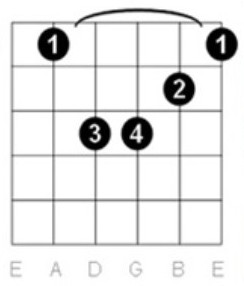
On the guitar, the C minor chord is often played as a barre chord, which can feel challenging for beginners. It requires proper finger placement, strong pressure from the index finger, and solid hand support from the thumb. However, learning this chord strengthens the hand, increases dexterity, and improves overall fretboard technique. With practice, players begin to develop cleaner barre shapes and greater confidence in more advanced chord forms. Mastering the C minor chord also expands musical possibilities. It allows guitarists to explore new progressions, write more expressive songs, and understand how minor chords function within keys. By incorporating the C minor chord into practice routines, players enhance both technical skill and musical understanding, making it an essential step in their guitar journey.
The Role of the C Minor Chord in Music
The C minor chord plays a significant role in shaping the emotional character and harmonic depth of many musical styles. While major chords often convey brightness and resolution, the C minor chord introduces a sense of tension, introspection, and melancholy. This emotional contrast gives composers and songwriters a powerful tool for creating expressive moments, dramatic transitions, and rich musical textures. Because of its darker tonal quality, the C minor chord is frequently used in genres such as classical, rock, metal, jazz, film scores, and even pop music, where mood and intensity drive the musical narrative.


In harmonic progressions, the C minor chord often functions as the tonic in the key of C minor, establishing the tonal center and setting the emotional foundation of a piece. It can also act as a pivot chord in modulation, helping composers move smoothly between related keys. Additionally, the C minor chord blends naturally with chords such as G minor, F minor, E-flat major, and A-flat major, creating progressions that feel dramatic and emotionally resonant.
On guitar, mastering the C minor shape is not only a technical achievement but also a gateway to understanding minor harmony and expressive playing. By incorporating the C minor chord into their practice and songwriting, musicians gain access to a broader emotional palette, allowing them to create music that feels deeper, more nuanced, and more engaging to listeners.
Basic Finger Positioning for the C Minor Chord
Proper finger positioning is essential for playing the C minor chord cleanly and confidently, especially since it is commonly played as a barre chord. For many beginners, this shape can feel challenging at first, but understanding the correct technique makes a significant difference in comfort, clarity, and overall sound quality. To start, place your index finger across all the strings on the third fret, forming the barre. Your finger should lie slightly on its side, allowing the harder outer edge to press the strings more effectively. Keep your thumb positioned behind the neck, roughly opposite your index finger, to provide stable support and prevent unnecessary tension.
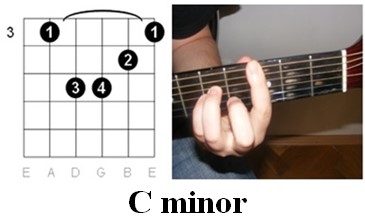
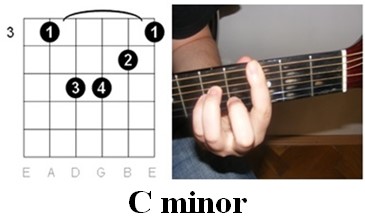
Next, position your ring finger on the fifth fret of the A string and your pinky on the fifth fret of the D string. These two fingers form the core shape that defines the C minor chord. Ensure that each fingertip presses directly behind the fret, not on top of it, to avoid buzzing or muted notes. Keep your middle finger lifted, as it is not used in the standard version of this chord. It’s normal for the barre to feel uncomfortable at first, but with slow, mindful practice, your grip will strengthen and the notes will ring clearly. Mastering this positioning builds confidence and improves your overall barre chord technique.
A Step-by-Step Guide to Playing the C Minor Chord
Learning to play the C minor chord can feel challenging at first, especially for beginners, but breaking it down into clear, manageable steps makes the process much easier. The C minor chord is commonly played as a barre chord, which means your index finger will act as a movable “bar” across the fretboard. This technique not only helps you play C minor but also prepares you for many other essential chord shapes.
Begin by placing your index finger firmly across all six strings at the third fret. The goal is to press each string evenly so they all ring clearly. Position your finger slightly on its side—this uses the harder edge of your finger and makes it easier to apply consistent pressure. Check the angle of your hand and wrist to ensure you’re not creating unnecessary strain.

Next, place your ring finger on the fifth fret of the A string and your pinky finger on the fifth fret of the D string. These two notes help form the characteristic sound of the C minor chord. Make sure both fingers are placed just behind the fret to avoid buzzing. Your middle finger is not used in this shape, so keep it relaxed. Once your fingers are in place, strum slowly from the low E string downward. If you hear muted or buzzing notes, adjust your finger pressure and hand position. Take your time—barre chords develop strength through repetition. Practice switching from C minor to other chords, such as G minor or E-flat major, to improve fluidity. With patience and consistency, the C minor chord will become a powerful and expressive part of your guitar toolkit.
Common Challenges with the C Minor Chord and How to Solve Them
The C minor chord often poses difficulties for beginners because it typically requires a full barre shape, demanding strength, precision, and proper technique. One of the most common challenges is getting all the notes to ring clearly. Many players press too lightly with the index finger or place it flat on the frets, causing muted or buzzing strings. To solve this, position the index finger slightly on its side, using the firmer outer edge to apply pressure. Keep your thumb centered behind the neck for balance and avoid squeezing too hard, which can create tension and fatigue.

Another issue is finger placement on the fretted notes. The ring and pinky fingers sometimes lean or collapse, muting adjacent strings. Focusing on curved fingertips and placing them just behind the frets improves clarity and reduces finger strain. It also helps to practice each note of the chord individually—this makes it easier to identify problem areas. Hand fatigue is also a common challenge when first learning the C minor chord. Barre chords require strength that builds gradually, so short, consistent practice sessions are more effective than forcing long repetitions. Strength exercises such as simple squeezes, finger stretches, and practicing other barre chords can accelerate improvement.
Finally, transitioning into and out of the C minor chord can feel slow or clumsy. To fix this, practice “lift-and-place” drills: form the chord, release it, and place it again in one smooth motion. Over time, muscle memory will take over, making the transitions far more natural. With patience and proper technique, the C minor chord becomes much easier to master.
Why Beginners Should Learn the C Minor Chord
The C minor chord may seem intimidating at first, but it is an incredibly valuable chord for beginners to learn early in their guitar journey. Unlike many open major chords, the C minor chord is typically played as a barre chord, which means it helps build finger strength, coordination, and control right from the start. Learning it introduces new technical skills that will make many future chords easier to master, especially other minor and movable shapes. Beyond technique, the C minor chord expands a beginner’s musical vocabulary. Its darker, more emotional sound adds depth and contrast to chord progressions, allowing players to explore different moods and styles. Whether you enjoy rock, classical, blues, pop, or cinematic music, the C minor chord appears frequently and helps you understand how minor harmonies work in a song.

Another important benefit is that mastering the C minor chord improves overall confidence. At first, barre chords can feel difficult, but with consistent practice, players begin to notice smoother transitions, cleaner notes, and greater hand strength. This sense of progress motivates beginners to keep learning and exploring new chords. By including the C minor chord in their practice routine, beginners develop stronger technique, a richer musical ear, and a more versatile playing style—making it an essential part of becoming a well-rounded guitarist.
Pro Tips for Mastering the C Minor Chord
Mastering the C minor chord can be challenging, but with the right approach, you can play it cleanly and confidently. First, focus on proper finger placement. Use your index finger to barre all six strings at the third fret, applying firm, even pressure. Position your finger slightly on its side to make pressing easier and avoid muting strings. Next, place your ring and pinky fingers on the fifth fret of the A and D strings, respectively, with your fingertips curved to prevent unwanted string contact. Ensure your thumb is positioned behind the neck to provide solid support without squeezing too tightly, which can cause tension.


Practice slowly at first, checking that every note rings clearly. If some strings buzz or mute, adjust finger pressure and positioning until the sound improves. Incorporate finger-strengthening exercises into your routine to build endurance. Finally, practice switching between the C minor chord and other common chords to improve smooth transitions. Consistency and patience are key—regular practice will turn this challenging chord into a natural part of your playing.
Useful advises for beginner guitar players 2: Learning songs you love is one of the best ways to stay motivated on guitar. A great example for beginners is practicing the Knocking on Heaven’s Door chords, which use a simple and familiar progression. Working on this song helps improve timing, strumming, and smooth transitions between basic chord shapes. As you repeat the changes, you’ll build confidence and strengthen your technique. Once the chords feel natural, you can experiment with adding rhythm variations or playing along with the original recording to develop your musical feel.
Strumming the C Minor Chord with Confidence
Strumming the C minor chord with confidence requires a combination of proper technique, control and practice. Since the C minor chord is often played as a barre chord, it can feel challenging to produce a clean, full sound. Start by ensuring your fingers are correctly positioned, with your index finger pressing firmly across all strings at the third fret and your other fingers placed on the appropriate frets. This setup provides a strong foundation for confident strumming.


When strumming pattern, use a relaxed wrist and maintain a steady rhythm. Avoid harsh or aggressive strumming, which can cause muted or buzzing strings. Instead, aim for smooth, controlled downstrokes and upstrokes, letting the pick glide gently across the strings. Focus on striking all the strings evenly to produce a rich, balanced tone. Practice strumming the C minor chord slowly at first, gradually increasing speed as you gain confidence. Incorporate metronome practice to develop consistent timing. Over time, your strumming will become more natural and expressive, allowing you to play the C minor chord confidently in any musical context.
Smooth Transitions To and From the C Minor Chord
Smooth transitions to and from the C minor chord are essential for fluid guitar playing. Because the C minor chord is a barre chord, beginners often find switching challenging. To improve, focus on efficient finger movement and hand positioning. Before changing chords, lift your fingers just enough to clear the strings without losing their shape. This reduces unnecessary motion and speeds up transitions. Practice slowly switching between C minor and commonly paired chords like G minor, A-flat major, or F minor. Repetition helps build muscle memory, making changes quicker and smoother.

Keeping your thumb steady behind the neck provides better support and control during shifts. Using a metronome can help maintain consistent timing while transitioning, preventing awkward pauses. Remember, patience and slow practice are key; as your fingers become more familiar with the chord shapes, transitions will feel natural and effortless. Mastering these smooth changes enhances your overall playing and allows for seamless song performances.