
Quick and Easy Ways to Learn the D Major Chord Now
Learn the D major chord with beginner-friendly tips. Master proper finger placement, clean transitions and confident strumming to boost your guitar skills fast!
magicchords.com
12/17/2025


Learn the D major chord quickly with simple steps designed for beginners. This guide helps you build accuracy, confidence, and smooth transitions so you can start playing songs right away.
Learning the D major chord is one of the most exciting steps for new guitarists, because it opens the door to countless songs across pop, rock, folk, and country. Even though it’s a beginner-friendly shape, many players struggle at first with finger placement, buzzing strings, or keeping the chord clear and bright. That’s why understanding the right technique from the very beginning is essential. In this introduction, we’ll break down the basics of forming the D major chord cleanly, give you practical tips to strengthen your fingers, and show you how to build the muscle memory you need to switch into and out of the chord smoothly.


How to play the D major chord - post content:
1. What Makes the D Major Chord Essential
2. How the D Major Chord Shapes Your Music
3. Easy Finger Placement for a Clean D Major Chord
4. Step-by-Step Guide to Learning the D Major Chord
5. Typical D Major Chord Mistakes and Simple Fixes
6. Key Reasons Every Beginner Should Learn the D Major Chord
7. Expert Tips for Faster D Major Chord Mastery
The D major chord is unique because it uses the thinner, higher-pitched strings, which means accuracy matters more than force. Light pressure, correct posture, and relaxed hands often lead to better results than squeezing the fretboard too tightly. You’ll also discover how small adjustments—like angling your fingers, shifting your thumb, or maintaining a curved hand shape—can instantly improve the clarity of your chord.


We’ll also touch on how to connect the D major chord with the shapes you’ll play most often beside it, such as G major, A major chord and Em. Practicing these transitions is what turns a static chord into real music. By the end of this guide, you’ll not only understand how to play the D major chord properly but also feel more confident incorporating it into strumming patterns and beginner-friendly songs. Whether you’re picking up the guitar for the first time or refining your foundation, this introduction sets you up for fast, frustration-free progress.
Learning guitar can feel overwhelming at first, but consistent practice makes everything easier over time. Beginners often start with open chords to build finger strength and coordination. As confidence grows, many players begin exploring more advanced techniques that expand musical possibilities. One important milestone is mastering bar chords guitar, which allows you to play chords all over the fretboard and unlock countless songs. These chords may seem challenging at first, but patience and proper hand positioning make a big difference. By practicing slowly and regularly, guitarists can improve tone, accuracy, and endurance. Over time, these skills help create smoother transitions and a more professional sound.
What Makes the D Major Chord Essential
The D major chord is one of the most essential shapes a beginner guitarist can learn, not only because it appears in countless songs across genres but also because it helps develop foundational technique. Its importance begins with its bright, uplifting sound. The D major chord naturally cuts through a mix with clarity and warmth, making it a favorite in styles like folk, pop, country, and classic rock. Many well-loved songs rely on this chord to set an emotional tone, which means that learning it opens the door to a wide variety of music right from the start.
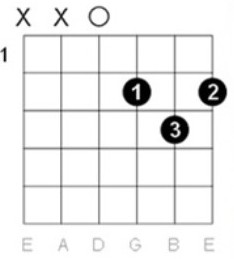
Beyond its sound, the D major chord teaches precision. Because it uses the higher strings and requires your fingers to fit into a compact space on the fretboard, you quickly learn the value of clean finger placement, proper arching, and controlled pressure. These skills transfer directly to more advanced chords later on, making D major a powerful stepping stone in your progress.
Another reason the D major chord is so essential is its versatility in chord progressions. It pairs naturally with beginner-friendly chords like G, A, and Em, forming the backbone of many simple songs. Practicing transitions between these shapes helps build muscle memory, rhythm, and coordination—abilities every guitarist needs. Finally, mastering the D major chord boosts confidence. When beginners can strum it cleanly and switch to and from it smoothly, they experience a tangible sense of accomplishment. That confidence fuels motivation, making practice more enjoyable and consistent.
How the D Major Chord Shapes Your Music
The D major chord plays a powerful role in shaping the overall character of your music, influencing everything from tone and texture to emotional impact. Its naturally bright, resonant sound adds a sense of openness and clarity to any progression, making it one of the go-to chords across countless genres. Whether you're playing folk, rock, pop, or country, the D major chord contributes a crisp sonic sparkle that helps melodies stand out and rhythms feel more lively.


Because the D major chord is built primarily on the higher strings, it creates a shimmering quality that contrasts beautifully with chords rooted on lower strings, such as G or A. This contrast enriches your playing by adding dynamic variety, helping your progressions feel more expressive and engaging. Even simple chord patterns become more interesting when the D major is part of the mix.
The chord also shapes your musical phrasing. Its tight finger positioning encourages precision, teaching you how to control clarity and articulation. This leads to cleaner transitions, smoother strumming, and greater confidence in more complex arrangements. As you grow more comfortable with the D major chord, it often becomes a foundation for experimenting with new techniques, such as embellishments, alternate fingerings, or creative strumming patterns. Finally, the D major chord helps define mood. Its uplifting nature can instantly brighten a section of a song, shift emotional direction, or emphasize a lyrical moment. When used intentionally, it allows beginners and experienced players alike to shape their musical storytelling with greater sensitivity and purpose.
Easy Finger Placement for a Clean D Major Chord
Getting a clean, crisp D major chord is a key milestone for beginners, and mastering its finger placement can make your playing sound instantly more polished. Although the shape may look small and simple, the D major chord requires precision, balance, and a light touch to ring out clearly on all three fretted strings. With the right technique, you can avoid the muted or buzzy notes that many new players struggle with.
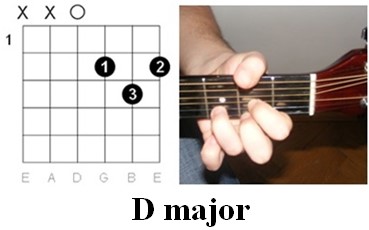
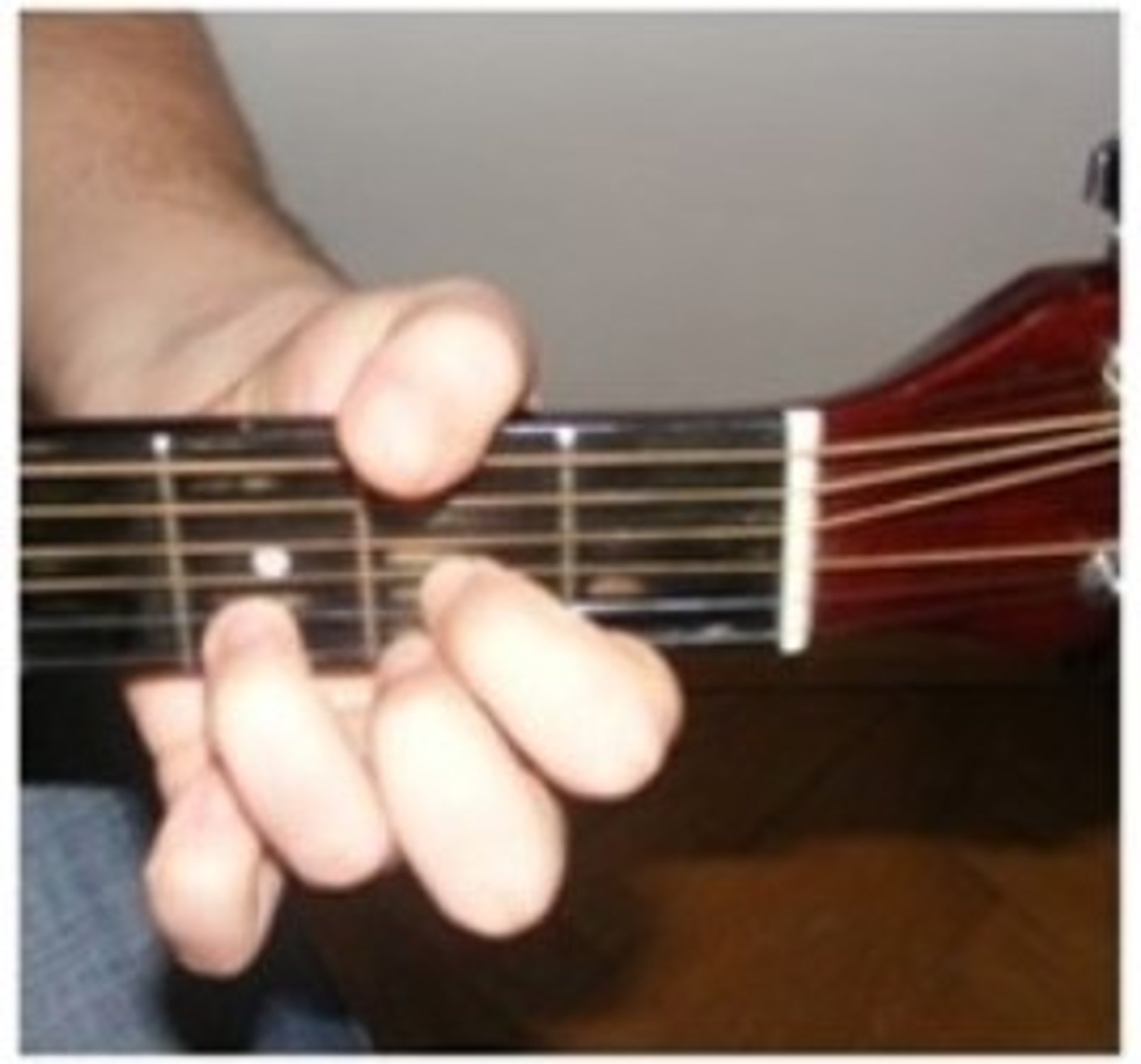
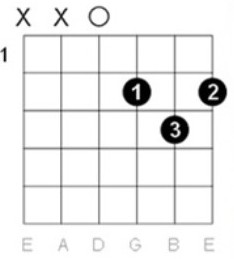
Start by placing your index finger on the second fret of the G string, forming the foundation of the chord. Next, set your middle finger on the second fret of the high E string. These two fingers should feel relaxed and curved, allowing each note to ring without touching nearby strings. Then bring your ring finger to the third fret of the B string, completing the classic triangular shape of the D major chord. Keep your fingers arched and your thumb positioned behind the neck for better control and stability. One of the most important elements of a clean D major chord is avoiding accidental muting. Ensure your palm isn’t touching the high E string and that your fingertips press straight down without leaning. Strum only the bottom four strings—D, G, B, and high E—since strumming all six can muddy the chord’s bright tone. With consistent practice, mindful hand placement, and gentle adjustments, you’ll be able to play the D major chord smoothly and confidently.
Step-by-Step Guide to Learning the D Major Chord
Learning the D major chord is an important step for any beginner guitarist, and breaking it down into simple, manageable steps makes the process much easier. This chord is known for its bright, uplifting sound, and it appears in countless songs across genres, making it a valuable shape to master early in your guitar journey. By following a structured approach, you can avoid common mistakes and build confidence as you learn.
Begin by positioning your fretting hand correctly. Place your index finger on the second fret of the G string. Keep your fingertip curved so it doesn’t mute nearby strings. Next, put your middle finger on the second fret of the high E string. Make sure you press down cleanly while maintaining a relaxed hand posture. Then add your ring finger to the third fret of the B string, forming the well-known triangle shape of the D major chord. Your thumb should rest behind the neck for support, helping maintain proper finger arching.

Once your fingers are in place, check for clarity. Pick each string individually—D, G, B, and high E—to ensure every note rings without buzzing or muting. Adjust your finger positions slightly if needed. Many beginners accidentally touch the high E string with their palm or fingers, so focus on keeping your wrist relaxed and your hand open. Finally, practice strumming only the bottom four strings, avoiding the low E and A strings. Start with slow, steady strums, gradually increasing speed as you gain confidence. With repetition and mindful technique, the D major chord will soon feel natural and effortless.
Typical D Major Chord Mistakes and Simple Fixes
Mastering the D major chord is exciting for beginners, but it often comes with common challenges that can affect clarity and confidence. Fortunately, most mistakes are easy to identify and even easier to fix with the right approach. By understanding what typically goes wrong, you can correct issues early and build solid technique that improves every chord you learn afterward.
One of the most frequent problems is muted or buzzing strings. This usually happens when fingers aren’t curved enough or when the fingertips press too lightly on the frets. To fix this, ensure your fingers are arched and positioned close to the fret without resting on adjacent strings. Picking each note individually can help you find exactly where adjustments are needed. Another mistake beginners face is accidentally touching the high E string with the palm or lower knuckle, causing a dull or muted sound. Keeping your wrist relaxed and slightly forward helps maintain space between your hand and the guitar’s body. Small posture changes can make a big difference in tone.


Many players also struggle with incorrect thumb placement. A thumb wrapped too far over the neck reduces finger mobility and makes accurate fretting difficult. Instead, place your thumb lightly behind the neck to support your hand and encourage proper finger angle. Finally, beginners often strum all six strings, making the D major chord sound muddy. Focus on strumming only the bottom four strings D, G, B, and high E using slow, controlled movements until it becomes automatic. With awareness and steady practice, these simple fixes will help your D major chord sound clean, bright, and confident.
Key Reasons Every Beginner Should Learn the D Major Chord
The D major chord is one of the most important shapes every beginner should learn, and for good reason. It’s a foundational chord that appears in countless songs across genres, from pop and rock to folk and country. Because it’s used so widely, mastering it early opens the door to playing full songs sooner, which keeps motivation high and practice enjoyable. Another key reason to learn the D major chord is its versatility. It pairs naturally with other beginner-friendly chords like G, A, and Em, making it ideal for learning smooth transitions. These combinations also teach valuable rhythmic skills, helping you develop timing and coordination as you progress.


The D major chord is also incredibly useful for developing clean finger placement. Its compact shape requires precision, encouraging beginners to keep their fingers curved, their thumb properly positioned, and their wrist relaxed. These habits carry over into more complex chords later on. The D major chord’s bright, uplifting sound offers immediate payoff. Even beginners can produce a pleasant tone with just a little practice, giving early confidence and a sense of accomplishment. Learning the D major chord builds essential technique, strengthens musical understanding, and sets a strong foundation for future guitar skills. It’s a small chord with a big impact.
Expert Tips for Faster D Major Chord Mastery
Mastering the D major chord quickly is absolutely possible when you combine smart technique with consistent, focused practice. With just a few expert tips, beginners can overcome common challenges, improve finger accuracy, and build the muscle memory needed to switch to and from the D major chord with ease. Start by practicing slow, deliberate finger placement. Instead of placing all three fingers at once, set them down in the same order each time—index on the G string, middle on the high E, and ring on the B. This helps your brain form a reliable pattern, speeding up transitions later on.


Another powerful technique is lifting and resetting the chord shape repeatedly without strumming. This builds strength and coordination while training your hand to find the shape instantly. Keep your thumb relaxed behind the neck to maintain flexibility and ensure clean pressure on each string. Strumming only the bottom four strings is essential, so practice controlled downstrokes to avoid accidentally hitting the low strings. A slow metronome can help reinforce steady timing and confidence. Finally, switch between the D major chord and nearby chords like G and A in short, repetitive cycles. These transitions appear in many songs and dramatically improve fluidity. With focused practice and mindful technique, you’ll master the D major chord much faster than you think.
How to Strum the D Major Chord with Ease and Control
Strumming the D major chord with ease and control is key to sounding confident and polished on guitar. Since this chord uses the higher four strings, precision in your strumming hand is essential. Start by positioning your strumming hand comfortably above the soundhole or pickups, allowing your wrist to move naturally without tension. Use a gentle, relaxed grip on your pick to maintain fluid motion. Focus on strumming only the bottom four strings D, G, B, and high E to keep the chord clear and bright. Avoid hitting the low E and A strings, which can muddy the sound. Practicing slow, deliberate downstrokes helps develop control and timing. Once you’re comfortable, add light upstrokes to create a smooth, flowing rhythm.

Incorporate palm muting sparingly to add texture and dynamic variation. Rest the edge of your palm lightly on the strings near the bridge to soften the sound without completely muting it. Practice with a metronome to build steady timing and gradually increase speed as you gain confidence. With consistent practice, you’ll strum the D major chord smoothly, blending ease and control into every rhythm you play.
Achieving Smooth Chord Changes In and Out of D Major
Achieving smooth chord changes in and out of the D major chord is essential for fluid guitar playing. One of the best ways to improve is by focusing on minimizing finger movement. Keep your fingers close to the fretboard as you switch chords, so you don’t waste time lifting them too high. This helps your hand stay relaxed and reduces awkward pauses. Practice transitioning between D major and commonly paired chords like G, A, and Em. Start slowly, ensuring each chord rings clearly before speeding up. Use a metronome to develop consistent timing and rhythm.
Another helpful tip is to form the next chord shape before releasing the current one. This “pre-shaping” trains your fingers to move efficiently and anticipate changes, making your playing smoother. Over time, repetition builds muscle memory, allowing you to change chords instinctively without thinking. With patience and regular practice, switching in and out of the D major chord will become natural and seamless, enhancing your overall guitar performance.


Building a balanced guitar practice routine means mixing technique with songs that keep you motivated. Many beginners start with simple chord exercises, then move on to recognizable riffs that make practice more exciting. In the middle of your routine, adding something like AC DC – tnt guitar tab can boost energy while reinforcing rhythm and timing. This kind of song helps you apply what you’ve learned in a fun, practical way. By alternating focused drills with familiar music, you stay engaged, build confidence, and make steady progress without feeling overwhelmed.